

Roof damage raises difficult questions, especially when an insurance claim enters the picture. After a Denver hailstorm or a stretch of powerful winds, you may wonder what the insurance company will cover and how an adjuster will evaluate your property.
Insurance adjusters look for many things during roof inspections, including visible damage, the cause of the damage, and document findings for the claims process.
Why Insurance Adjusters Inspect Roofs
An insurance company may send an adjuster after you report storm damage or another loss that your policy may cover. The adjuster gathers evidence to help the insurer determine whether the damage falls within your policy and what repairs may qualify for payment.
Identifying the Cause of Damage
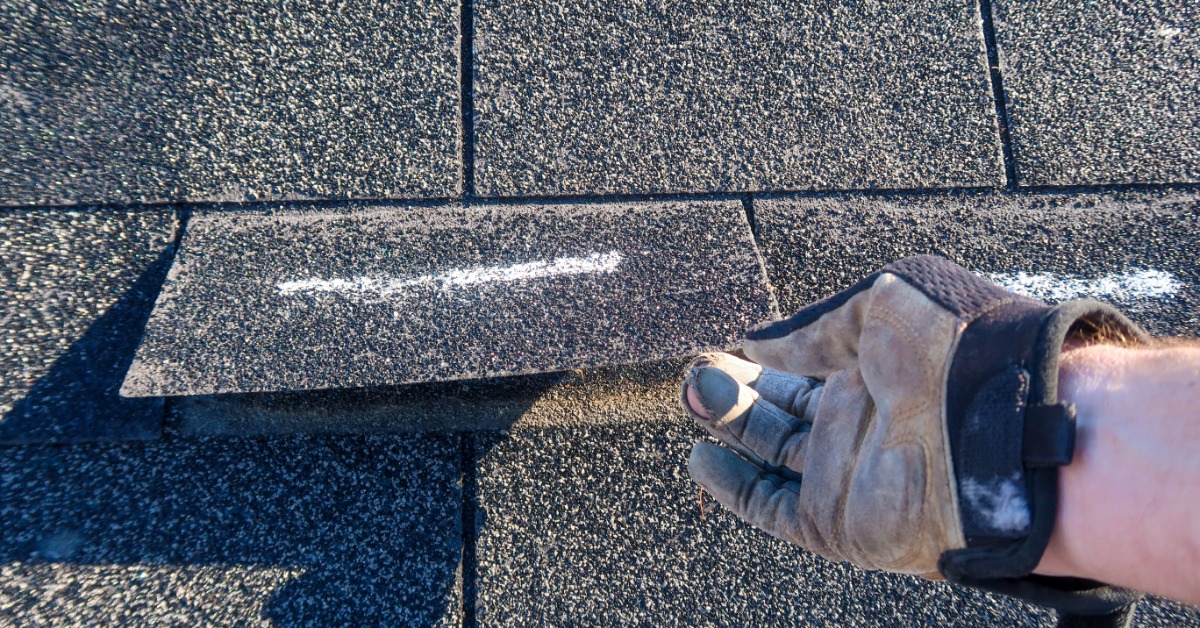
Adjusters look for signs that connect roof damage to a particular event. Fresh wind creases, displaced shingles, and hail impact marks may support a storm-related claim. By contrast, widespread cracking or gradual granule loss may indicate aging rather than sudden damage.
These distinctions matter because homeowners policies typically exclude ordinary wear and maintenance problems. An adjuster documents the condition; the insurer makes the coverage decision under your policy’s terms.
Recording the Scope of the Loss
An adjuster may photograph affected surfaces, measure damaged sections, and note roofing materials. The inspection report can also describe related damage to gutters, flashing, or interior finishes.
What Adjusters Look for After Hail and Wind
Insurance adjusters look for patterns across the roof during inspections rather than assuming every blemish came from the latest storm.
Hail Impacts on Shingles
On asphalt roofs, hail may displace protective granules, bruise the shingle surface, or fracture underlying material. An adjuster considers the size, shape, and distribution of marks. They may compare questionable spots with undamaged areas to distinguish impacts from ordinary wear.
A dent on a metal vent or gutter can provide context, but it does not automatically establish damage to nearby shingles. Cosmetic marks and functional damage may receive different treatment under a policy.

Wind-Lifted or Missing Materials
High winds can loosen shingle seals, bend tabs, and remove pieces of roofing. Adjusters look for lifted edges and visible creases that suggest wind movement. They may also check ridge caps and roof edges, where exposure can increase the likelihood of damage.
Missing shingles deserve prompt attention because they can expose vulnerable areas to rain or snow.
Leaks and Interior Water Stains
Water can enter through damaged shingles, failed flashing, or openings around roof penetrations. An adjuster may review ceiling discoloration, damp insulation, and damaged drywall to understand the extent of the reported loss.
Water stains do not reveal their own cause. A roof leak might follow a recent storm, while another might result from a longstanding maintenance issue. Homeowners considering interior remodeling services after water damage should confirm what their policy covers before authorizing permanent restoration work.
How Roof Condition Influences the Inspection
Storm evidence matters, but adjusters also consider the roof’s condition before the event. Older materials may show deterioration that complicates the assessment.
Roof Age and Existing Wear
Sunlight, temperature changes, and frequent exposure to weather gradually affect roofing materials. Adjusters may note brittle shingles, curling edges, or widespread granule loss. These conditions can suggest deterioration separate from a particular storm.
Age alone does not prove that an insurer should deny a claim. Instead, the adjuster evaluates the damage alongside the incident and available documentation. Policy terms may also affect how the insurer calculates payment for an older roof.
Past Repairs and Maintenance
Previous patches, mismatched materials, or recurring leak stains can help establish a roof’s history. Adjusters may request information about earlier repairs or ask when you first noticed a problem.
Keep contractor invoices, inspection reports, and dated photographs when available.
Other Roof Components Adjusters May Examine
Roofing systems include several vulnerable connections beyond the main shingle surfaces. Damage in these areas can affect drainage and increase the risk of water intrusion.
Flashing, Vents, and Skylights
Flashing directs water away from places where surfaces meet. Adjusters may inspect flashing around chimneys, skylights, and vents for displacement or impact damage. They may also check vent covers and seals for visible problems.
Not every leak near a roof penetration comes from a storm. Installation defects or aging sealants can create similar symptoms, making evidence of the cause particularly important.
Gutters and Attic Areas
Hail may dent gutters, while strong winds can loosen downspouts or attachments. Adjusters may inspect these features for damage consistent with the reported weather event.
When safely accessible, an attic can reveal damp decking, stained insulation, or other signs of moisture entry. Significant structural concerns may require evaluation by a qualified contractor or specialist rather than assumptions from a brief visual inspection.
How Homeowners Can Prepare for the Inspection
You cannot control the insurer’s assessment, but you can make important information easier to review. Preparation also helps you respond quickly if the roof needs temporary protection.
Document Damage Before the Visit
Take photographs from safe locations and record when you first discover the problem. Gather relevant maintenance records and note any changes inside your home. A clear timeline can also help explain when specific damage first became apparent. Useful items include:
- Dated photos of visible exterior damage
- Images of ceiling stains or leaks
- Notes about the storm date
- Previous roof reports and repair invoices
- Receipts for emergency protective work
Do not climb onto damaged roofing to collect evidence. A roofing professional can evaluate areas that are unsafe or difficult to reach.
Limit Additional Damage
If water enters your home, protect belongings and arrange reasonable temporary measures when safe. Keep receipts and photograph conditions before emergency work whenever possible. Contact your insurer to understand reporting requirements and whether proposed measures need approval.
Avoid permanent repairs until you understand the claims process, unless delaying them would create a safety hazard or cause further damage. Follow your policy’s requirements for protecting the property.
What Happens After the Inspection?
The adjuster submits findings to the insurer, which reviews coverage and calculates any eligible payment. You may receive an estimate identifying approved work, pricing, and your deductible.
Review the Estimate Carefully
Compare the estimate with photographs and any contractor assessment. Look for omitted roof sections or related interior damage, and ask questions about unfamiliar line items. If you disagree with the scope, provide supporting documentation and ask about the insurer’s supplemental review process.
Remember that replacement-cost and actual-cash-value provisions can affect when and how much the insurer pays. Coverage decisions depend on your specific policy rather than a contractor’s estimate alone.
Protect Your Roof and Your Home
A roof inspection examines more than missing shingles. Adjusters consider storm patterns, existing wear, vulnerable roof components, and evidence of interior damage. Clear records and prompt communication can help you navigate the process and plan necessary repairs.
If a covered event has affected your home’s living spaces, A2Z Builders can discuss renovation options after you clarify the claim’s scope. Our Denver-area team handles residential remodeling with an emphasis on communication and quality workmanship. Contact A2Z Builders to schedule a consultation and discuss the next steps for your home.