

Few bathroom choices spark more debate than the bathtub. A bathtub can signal family-friendly function, while a shower-only layout can signal modern luxury and convenience. The most valuable bathroom feels intentional and well-matched to the home, not like a trend-driven compromise. In this guide, we’ll break down how a bathtub or no bathtub could impact your home’s value.
Why Bathrooms Influence Resale So Much
Bathrooms sell comfort and confidence. Buyers judge them quickly because bathrooms reveal the quality of care for a home. A clean, bright, functional bathroom suggests the rest of the house is also in good condition.
Bathrooms also carry perceived cost. Buyers frequently assume bathroom renovations cost more than they actually do, and they worry about disruption. When your bathroom feels turnkey, buyers may pay more to avoid the project.
How Buyers Think About Bathtubs
Many buyers don’t “love” tubs, but they like having the option. A tub reads as flexibility: bathing kids, soaking after a workout, or accommodating guests. Even buyers who rarely use a tub may still view it as a feature they’d rather keep than replace later.
Families typically see a bathtub as essential. If your home sits in an area with lots of young families, removing the only bathtub can narrow your buyer pool. That doesn’t automatically reduce value, but it can reduce demand, which affects offers.
When Keeping a Bathtub Protects Value
A bathtub tends to matter most when it’s the only one in the house. Many real estate pros caution against eliminating the last tub, especially in a primary living area or in a home that naturally attracts families. If the only tub disappears, a buyer who needs it may simply move on to the next listing.
Homes with two or more bathrooms frequently benefit from variety. A tub in a secondary bath and a shower in the primary suite can feel like the best of both worlds. That combination signals you designed the home for real life, not just for photos.
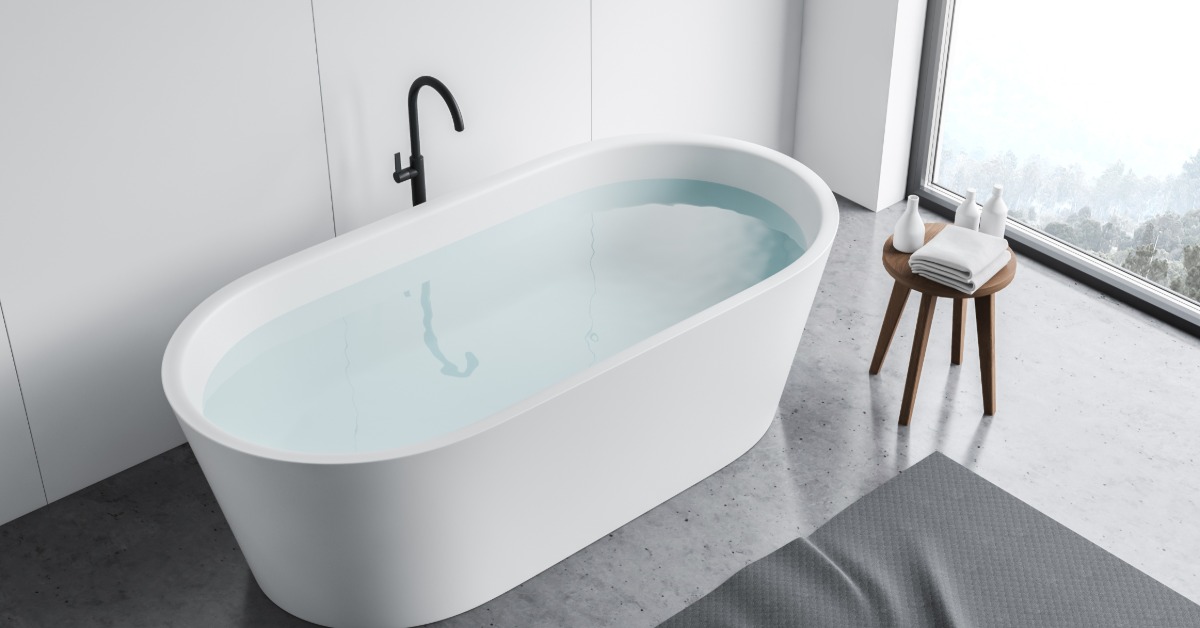
When Removing a Tub Can Increase Appeal
A shower-forward bathroom can elevate a home’s feel, especially when the layout opens up. A large, well-designed shower frequently reads as higher-end than a cramped tub-shower combo. Buyers may not say “I’ll pay more for no tub,” but they do respond to the overall impression of luxury and ease.
Removal can also solve functional problems. If the current tub makes the room tight, blocks light, or forces awkward clearances, replacing it with a shower can dramatically improve flow. A bathroom that feels spacious typically performs better during showings than one that feels crowded.
The “At Least One Tub” Rule and When It Matters
The safest resale approach looks simple: keep at least one bathtub somewhere in the home. That guideline works because it preserves flexibility without limiting modern design. It also helps you future-proof the house for different buyers and life stages.
The rule matters most in homes that attract families, in starter homes, and in mid-range neighborhoods where buyers frequently prioritize function. It can matter less in high-end homes where the buyer pool expects multiple bathrooms and more customized layouts. Even then, many luxury homes keep a tub in a secondary bath for versatility.
Primary Suite vs. Secondary Bathroom: Where the Choice Lands
The primary suite carries emotional weight. Buyers picture daily routines there, and they usually want a calm, elevated experience. A curbless or low-threshold shower, beautiful tilework, and thoughtful lighting can create that feeling quickly.
Secondary bathrooms serve different needs. They support kids, guests, and everyday utility, which is exactly where a bathtub earns its keep. A tub in a hall bath often feels practical, even to buyers who prefer showers for themselves.
What Neighborhood and Price Point Say About Your Best Option
Whether a bathtub or no bathtub could impact your home’s value also depends on your location and price point. In family-heavy neighborhoods, a missing tub can stand out in a way that feels inconvenient. In urban areas or condos where space runs tight, buyers may accept shower-only layouts more readily.
Price point matters, too. In entry-level and mid-market homes, many buyers prioritize function and may avoid properties that require immediate changes. In higher-end homes, buyers may prioritize design quality and accept more customized decisions if the home still supports guests and future resale.
Accessibility and Aging-In-Place Considerations
A walk-in shower improves accessibility. It can reduce step-over height, support safer mobility, and make daily routines easier. Many homeowners also value easier cleaning and less maintenance compared to a tub.
That said, accessibility doesn’t require removing every tub. You can plan a home that supports multiple needs by designing one bathroom for universal access and keeping a tub elsewhere. If aging-in-place factors into your decision, prioritize a shower that offers stable footing, smart drainage, and room for support features. A thoughtful shower design can feel both beautiful and practical.
Hidden Cost Factors That Influence the Right Choice
Plumbing location can shape what makes sense. If the tub drain and supply lines sit in a spot that would require major rework, costs can climb quickly. If the space already supports a shower conversion cleanly, the project may stay more efficient.
Waterproofing and ventilation also matter. A larger shower increases wet-area exposure, so proper waterproofing becomes non-negotiable. Good ventilation protects finishes, prevents moisture damage, and keeps the bathroom looking new longer.
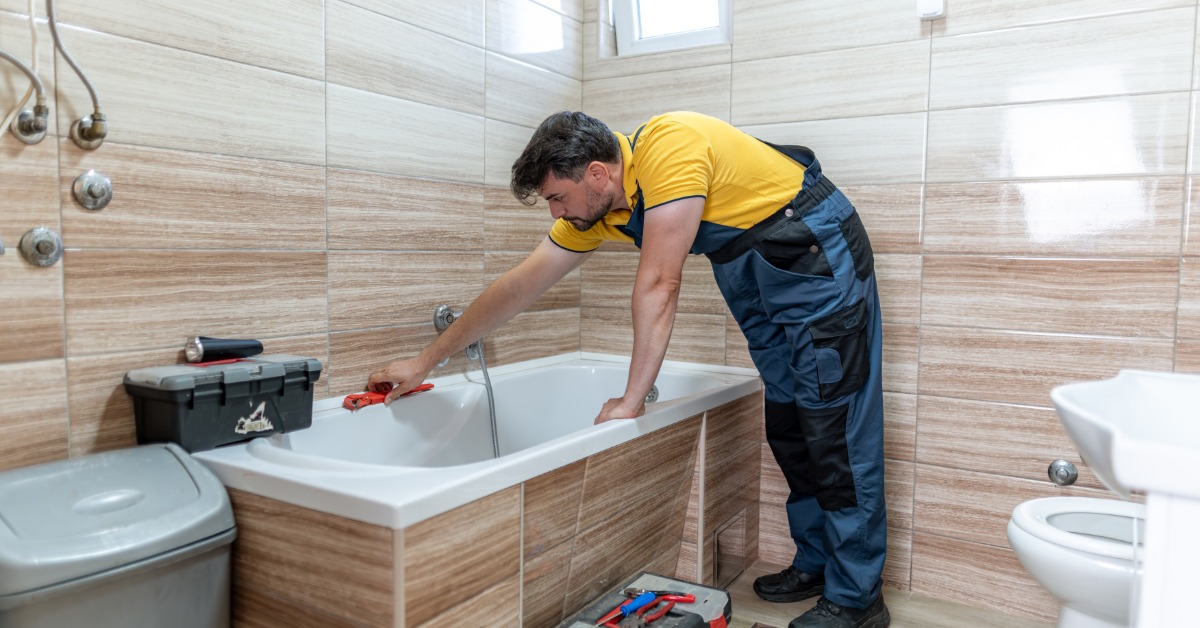
A Simple Decision Framework That Works in Real Homes
Start with how many bathrooms you have and whether your home currently offers at least one tub. If removing a tub would eliminate the only bathtub, think carefully about your neighborhood and the likely buyer profile. If you can preserve one tub elsewhere, you gain freedom to design a shower-forward primary bath.
Next, consider layout and daily use. If the tub creates congestion or feels unused, a shower conversion can improve function immediately. If you use the tub regularly, keeping it can increase your own quality of life, which still carries value.
How Bathroom Remodeling Services Help You Make the Right Call
A successful bathroom remodel balances lifestyle and resale. It also considers structure, plumbing realities, waterproofing, and finish durability. When you work with experienced bathroom remodelers like A2Z Builders, you gain guidance on layout, materials, and what will look and perform best for your specific home.
The goal isn’t to chase a one-size-fits-all rule. The goal is to create a bathroom that fits your home, your neighborhood, and the way people live.
Ready To Plan a Bathroom That Supports Value and Daily Comfort?
If you’re weighing a bathtub versus a shower-only layout, the best next step is to review your home’s current bathroom mix and the layout opportunities you have. A professional plan can show you options that protect resale while delivering the style and function you want. When you’re ready, connect with our team to discuss bathroom remodeling services and explore a design that fits your home and your goals.