

Cabinets shape the appearance of a kitchen long before anyone notices the appliances or countertops. Shaker and flat-panel cabinets remain popular choices because both adapt to different layouts and materials.
If you’re planning a kitchen remodel, understanding those differences can help you make a confident decision. Below, we’ll break down what you should know about Shaker cabinets and flat-panel cabinets.
What Are Shaker Cabinets?
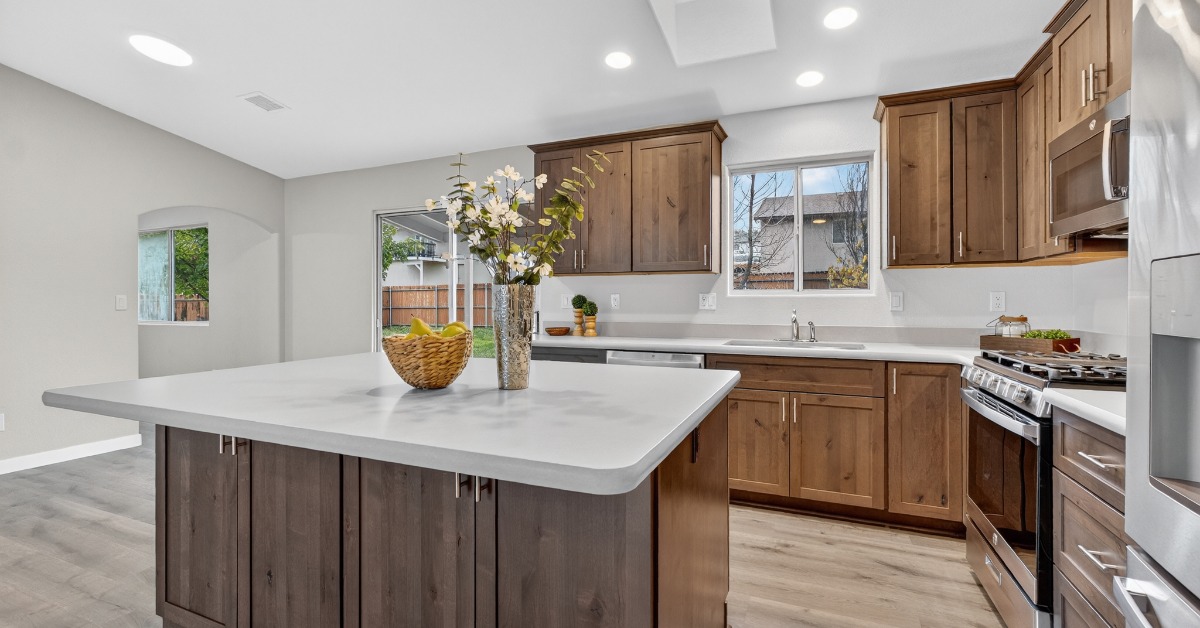
Shaker cabinets feature a recessed center panel surrounded by a simple frame. The frame typically consists of four pieces that create clean, rectangular edges around the door.
Why Some Homeowners Prefer Shaker Doors
Shaker doors work in traditional kitchens, transitional interiors, and many contemporary designs. White paint or warm neutral finishes create an understated appearance, while natural wood highlights the craftsmanship of the frame.
Their versatility makes Shaker cabinets appealing when homeowners want a kitchen that feels current but still connects with the rest of the house. However, the recessed panel creates corners and grooves that require extra attention during cleaning.
What Are Flat-Panel Cabinets?
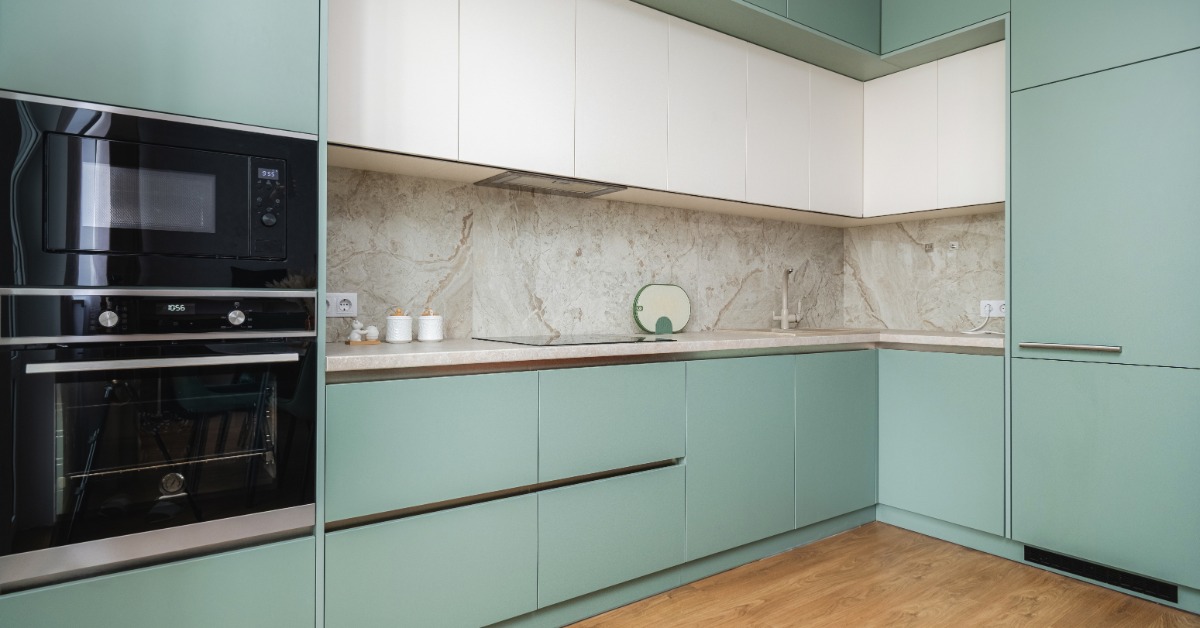
Flat-panel cabinets, (a.k.a. slab-front cabinets) feature smooth door faces without a surrounding frame or recessed center. Their uninterrupted surfaces establish a streamlined look, particularly in kitchens with minimalist or contemporary influences. Designers can use them to emphasize color, wood grain, or the overall geometry of the cabinetry.
How Flat-Panel Doors Change a Kitchen
Because slab doors feature fewer visual breaks, they can make a wall of cabinetry feel calm and cohesive. Matte finishes offer a subtle appearance, while glossy surfaces reflect additional light.
Flat-panel cabinetry can also work in warmer interiors. Pair natural wood doors with textured tile or soft lighting, and the result feels inviting rather than stark. Homeowners exploring kitchen remodeling services can discuss both profiles with a design team before committing to a cabinet layout.
Comparing the Two Cabinet Styles
An important thing you should know about Shaker cabinets and flat-panel cabinets is that neither automatically creates a more luxurious kitchen. Materials, proportions, finishes, and installation quality influence the final impression more than the door profile alone. Consider the differences that affect your daily experience.
Overall Appearance and Design Flexibility
Shaker cabinets bring dimension through their frame and recessed panel. They can reinforce traditional architectural details or balance sleek appliances in a transitional kitchen. Flat-panel doors create a cleaner visual field that puts more emphasis on uninterrupted lines.
Your home’s existing style deserves attention. You might compare how each style looks beside your existing flooring and adjacent rooms. A detailed historic interior may pair naturally with Shaker cabinetry, while an open-plan contemporary home may benefit from slab fronts.
Cleaning and Everyday Maintenance
Flat-panel doors generally provide easier surfaces to wipe because they lack grooves around a center panel. A soft cloth can quickly remove everyday splashes, although fingerprints may stand out on certain dark or glossy finishes. Shaker doors need slightly more precise cleaning where dust and grease collect along the edges.
Finish matters just as much as door construction. High-quality coatings and appropriate cleaning products help preserve either style.
Durability and Construction
Durability depends largely on cabinet materials, joinery, finishes, and hardware. A well-built Shaker door can withstand years of regular use, and a quality slab door can perform just as reliably. Neither design guarantees superior strength simply because of its appearance.
Ask about the materials beneath the surface. Solid wood, plywood, MDF, and engineered panels each behave differently under changes in humidity. Your contractor can explain which construction methods suit the chosen finish and your kitchen’s conditions.
Price and Long-Term Value
Cabinet pricing varies according to the manufacturer, door material, finish, dimensions, and custom features. A simple slab door may cost less than a detailed frame-and-panel door in one product line, but premium veneers or special finishes can reverse that comparison. Avoid assuming that either style always represents the budget-friendly option.
Think beyond the initial quote. Durable hinges, practical storage accessories, and professional installation can add more daily value than a particular door profile. A2Z Builders can help homeowners weigh cabinet choices against the broader remodeling plan.
How Cabinet Style Influences Other Design Decisions
Cabinet doors do not exist in isolation. Their lines affect which countertops, backsplashes, fixtures, and hardware look balanced nearby. A cohesive kitchen starts with understanding how these elements interact.
Hardware and Door Details
Shaker cabinets pair well with knobs, pulls, and a broad selection of traditional or modern hardware. Long, slender pulls can make the framed doors feel contemporary, while understated knobs complement classic details. Flat-panel doors can support minimalist pulls, edge-mounted hardware, or carefully planned handleless systems.
Pay attention to the entire cabinet elevation. Handle placement changes the rhythm of drawers and doors, particularly around a large island.
Color, Texture, and Finish
Shaker profiles introduce subtle shadow lines that remain visible even with a single paint color. Flat-panel designs emphasize the material’s surface, which makes wood grain direction and finish consistency particularly important. Both approaches support sophisticated combinations of warm whites, deep colors, and natural textures.
Requesting door samples makes it easier to judge proportions than relying on photographs alone. Lighting also changes how a finish appears. Examine door samples in morning light and under the fixtures you plan to use after sunset.
Which Cabinets Work Best for Your Kitchen?
Begin by evaluating the room itself instead of relying solely on inspiration photos. Consider ceiling height, available daylight, nearby living spaces, and the home’s architectural character. Then weigh practical preferences such as cleaning habits and the amount of visual detail you enjoy.
Select Shaker Cabinets for Character
Shaker cabinetry is a strong choice when you want restrained detailing and a familiar sense of craftsmanship. It can soften a modern renovation without dominating the space. Homeowners who anticipate updating hardware or finishes later may also appreciate how readily the style accommodates different looks.
Choose Flat-Panel Cabinets for Simplicity
Flat-panel cabinetry suits kitchens where clean lines and continuous surfaces take priority. It can make smaller rooms appear less visually busy and create a polished background for distinctive stone or tile. The right wood tone or tactile finish also adds warmth to a pared-back design.
Consider Mixing Cabinet Styles
You do not necessarily have to choose one profile for every cabinet. Some kitchens combine Shaker perimeter cabinetry with a flat-panel island, or use smooth doors for taller storage units. The key is maintaining a consistent material palette and a clear design relationship between the elements.
A2Z Builders’ in-home interior designers can help homeowners evaluate samples, refine combinations, and coordinate cabinetry with the surrounding space. That collaborative planning process helps translate an appealing concept into a kitchen that functions comfortably.
Create a Kitchen That Fits Your Home
Shaker cabinets add gentle dimension and flexible styling, while flat-panel cabinets offer smooth surfaces and a streamlined appearance. Both can look refined and perform well when you choose suitable materials, finishes, and construction. The best decision reflects your home’s character and the practical demands of your household.
If you’re considering a kitchen renovation in the Denver area, contact A2Z Builders to discuss your ideas. Our team can help you explore cabinet options, coordinate the design, and plan a remodeling project that feels thoughtfully tailored to your home.