

Choosing a new home involves more than comparing floor plans and prices. Buyers must also decide whether to purchase an existing or newly completed property or build a custom home around their preferences.
Both paths can lead to a beautiful, comfortable home, but they require different levels of time, planning, flexibility, and decision-making. Below, we outline what you need to know about building vs. buying a new home.
Understanding the Difference Between Building and Buying
Buying a home typically means selecting a property that already exists or purchasing a new house from a developer. Depending on the property, you may be able to move in shortly after closing, although inspections, negotiations, financing, and repairs can still affect the timeline.
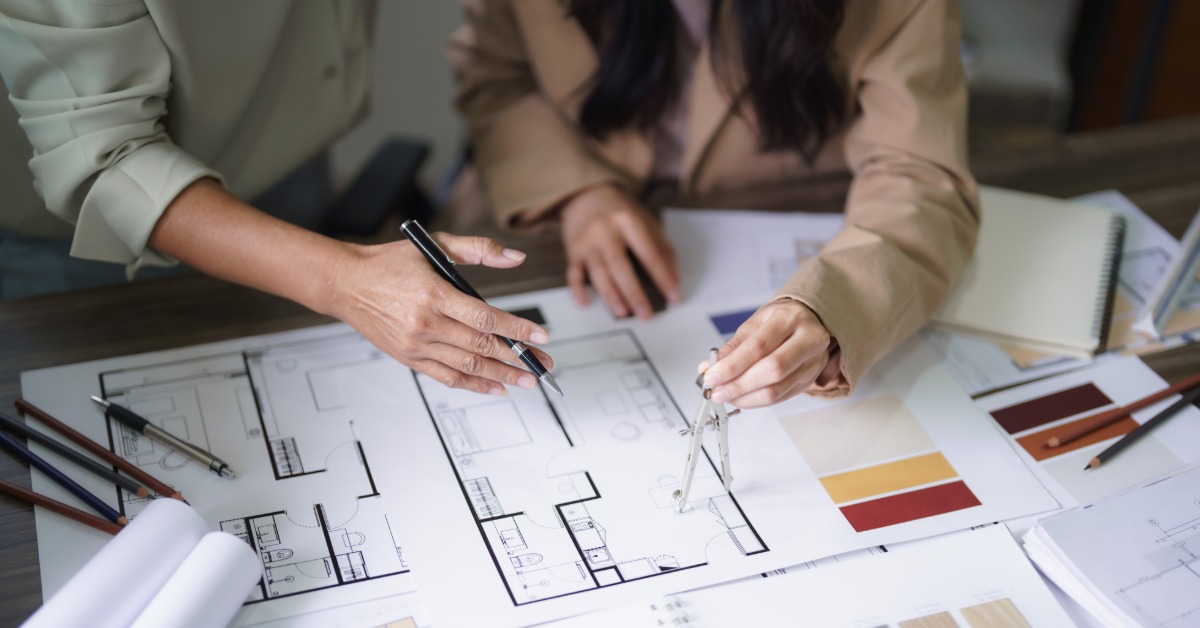
Building a custom home starts with a concept rather than a complete structure. You work with construction and design professionals to select the location, layout, materials, finishes, and architectural details before the team brings the plans to life.
Buying Provides a More Defined Product
When you tour an existing house, you can see the room sizes, natural light, finishes, storage, and neighborhood conditions before making an offer. This visibility can make it easier to understand what you are purchasing and identify changes you may want to make.
However, the property may include design choices that do not match your preferences. You may need to accept an inconvenient layout, update aging systems, or plan renovations after moving in.
Building Offers Greater Personalization
A custom build allows you to shape the home around the way you live. You can determine how rooms connect, where windows sit, how much storage you need, and which materials create the right atmosphere.
This level of control can provide lasting value because the house supports your habits from the start. Instead of adapting your lifestyle to an existing floor plan, you can create spaces that reflect your daily routines and long-term plans.
Compare the Financial Considerations
Before building or buying a new home, you need to know the financial considerations for each choice. Each option includes expenses that may not appear in the initial estimate.
Existing homes can require repairs, replacements, or renovations shortly after closing. Custom construction involves design, land preparation, permitting, materials, labor, and site-specific requirements, so a detailed budget provides a more accurate picture.
Buying May Offer Greater Price Certainty
An established listing price gives buyers a starting point for negotiations and financing. Inspections can reveal visible problems, although some maintenance needs may emerge after the purchase. Buyers should consider the condition of the roof, plumbing, electrical system, appliances, heating and cooling equipment, windows, and exterior.
Building Requires a Comprehensive Budget
A custom construction budget may include the property, architectural and design work, permits, excavation, utility connections, materials, landscaping, and interior selections. An experienced contractor can help define allowances, explain cost drivers, and identify decisions that could affect the budget.
Consider Your Preferred Timeline
Buying generally provides a faster path to occupancy, especially when the house is vacant, and financing moves smoothly. Even so, competitive markets, inspection negotiations, title concerns, and repairs can delay the closing or move-in date. Building requires more time because the process includes design development, engineering, permits, site preparation, construction, inspections, and finishing work.
Buying Can Suit a Firm Move-In Date
People relocating for work, changing school districts, or moving out of a rental may prefer the more immediate closure of buying. A completed home lets buyers coordinate closing, movers, utilities, and other arrangements around a clearer date.
That convenience may require compromise. Limited inventory can make it difficult to find the right combination of location, layout, design, condition, and price within a specific timeframe.
Building Rewards Careful Planning
Custom construction works best for homeowners who value personalization and can allow time for thoughtful decisions. The planning phase creates opportunities to address traffic flow, storage, energy use, privacy, entertaining, accessibility, and future household changes.
Making key selections before construction reaches the relevant stage can support a smoother process. A coordinated design-build team can also help keep decisions organized and ensure that architectural, structural, and interior elements work together.
Evaluate the Amount of Control You Want
Some homeowners want to choose every detail, while others prefer to select a finished property and make only minor adjustments. Your comfort with design decisions can reveal which path suits you better.
Building gives you considerable influence, but that freedom comes with responsibility. Buying narrows the number of choices, which can feel either limiting or convenient depending on your priorities.
Think About Maintenance and Energy Performance
The age and condition of a home can influence maintenance costs for years after the purchase. A well-maintained existing property may perform reliably, but older components can require replacement as they reach the end of their service life.
A newly built home generally begins with new materials, systems, and equipment. Current construction methods can also support insulation, air sealing, comfort, and energy performance when the team incorporates these priorities into the design.
Older Homes May Need Earlier Improvements
An existing home can carry history, mature landscaping, and architectural character, but buyers should review its major systems carefully. Deferred maintenance can turn manageable updates into larger projects if previous owners postponed repairs. A thorough inspection helps identify concerns before closing, but it cannot predict every future issue.
New Construction Starts With a Clean Slate
Building allows you to select durable materials and efficient systems based on your preferences and budget. You can also plan the home’s orientation, windows, mechanical equipment, insulation, and lighting as parts of one coordinated design. New does not automatically mean maintenance-free, but it can reduce the likelihood of immediate replacement projects.
Review the Location and Property Options
Buying may provide access to established neighborhoods with completed roads, landscaping, schools, services, and community features. These areas can make it easier to evaluate commute times, noise, surrounding architecture, and neighborhood activity.
Building depends on finding a suitable property or replacing an existing structure. The land’s zoning, utilities, access, slope, soil, drainage, and development restrictions can influence what you can construct.
Established Neighborhoods Offer Predictability
An existing community lets buyers observe the surrounding homes and general character of the area. Mature trees, nearby businesses, parks, and transportation routes can add convenience and appeal. However, established neighborhoods may have limited inventory or restrictions on major alterations.
A Building Site Requires Due Diligence
A beautiful lot does not always support the house a buyer imagines. Setbacks, easements, grading, utility access, and local building requirements may affect the structure’s size, position, and cost. A construction team can assess whether the property aligns with your desired home and explain which site conditions require additional planning.
Choose the Path That Supports Your Vision
Building and buying each offer meaningful advantages, and the right decision depends on your timeline, budget, location preferences, and the level of control you desire. Buying can provide speed and predictability, while building allows you to create a home that suits your lifestyle from the ground up.
If you’re ready to explore Denver-area new home construction, contact A2Z Builders to discuss your ideas, property, and priorities. Our team can guide you through planning, design, and construction while delivering the craftsmanship, transparency, and attention to detail your new home deserves.