

Remodeling an older home can feel exciting and overwhelming at the same time. You may love the character, craftsmanship, and history of the space, but you also must deal with aging systems, outdated layouts, and decades of built-up wear. Before you choose paint colors or finishes, it helps to step back and decide which projects deserve your attention first.
A clear plan protects your budget and helps you make decisions with confidence. Keep reading to understand how to prioritize projects when remodeling an older home.
Start With the Condition of the Home
The first step is to understand what your home truly needs. Older homes can hide problems behind walls, under floors, and above ceilings. A room may look manageable on the surface, but deeper issues may shape the order of your remodeling plan.
Walk through the home with a critical eye and document what you see. Pay close attention to signs of water damage, uneven floors, drafts, aging windows, cracked tile, outdated wiring, and plumbing concerns. Consider how long each part of the home has been in place and whether it still supports the way you live today.
Address Structural, Safety, and Water Issues First
When remodeling an older home, you first must prioritize projects that deal with the basics of the property, such as structural, safety, and plumbing issues. These are the projects that preserve the home itself and reduce the risk of bigger damage.
Water problems deserve especially close attention. A small leak can cause rot, mold, damage finishes, and require major repairs if ignored. Foundation movement, framing deterioration, and unsafe electrical panels also require immediate focus because they affect the integrity and livability of the home.
This is where experienced home remodeling contractors can bring real value. They can help you identify which repairs must happen immediately, which projects can happen together, and which updates make sense after completing the essential work. That guidance creates a more strategic plan instead of a series of disconnected fixes.
Separate Needs from Wants
Once you understand the home’s condition, divide your project ideas into two categories: what the house needs and what you want to change. This step sounds simple, but it can shift your entire approach.
Needs include the work necessary to make the home safe, functional, weather-resistant, and efficient. Wants include upgrades that improve style, comfort, or convenience but do not solve a pressing issue. Both matter, but they should not carry the same weight during early planning.
Think About How You Live in the Space
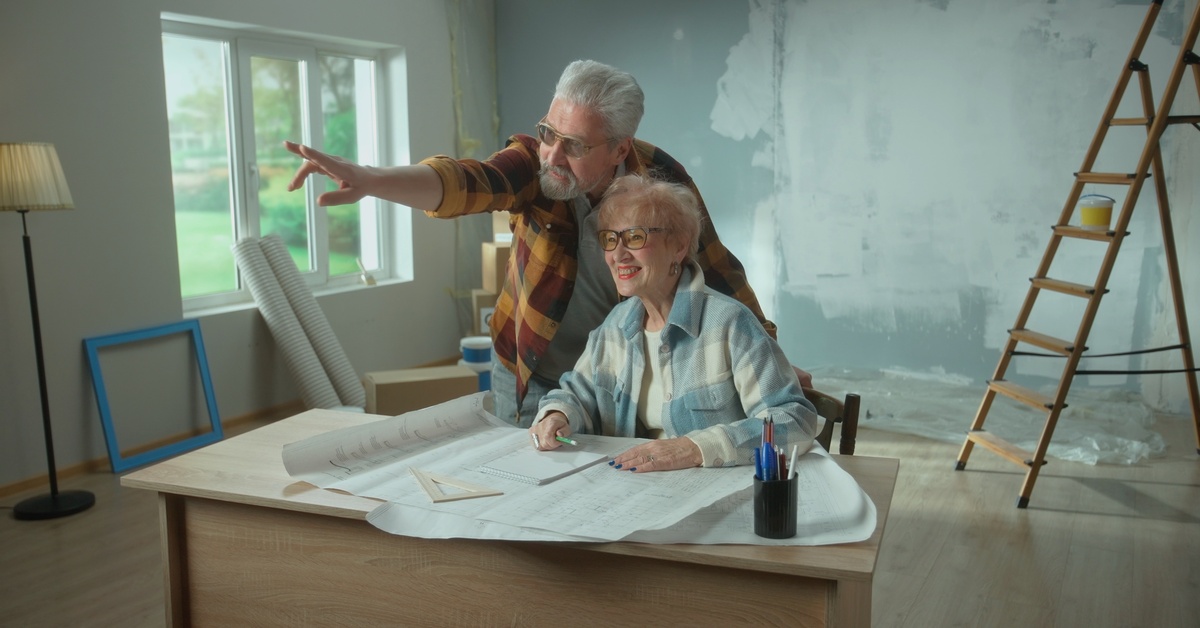
A remodeling plan should reflect the way you use your home every day. Older homes may include closed-off rooms, limited storage, undersized bathrooms, or kitchens that no longer support modern routines. Prioritizing projects becomes easier when you focus on the areas that create the biggest daily impact.
Start by asking where the house causes the most frustration. Maybe the kitchen feels small during family gatherings. Maybe the bathroom layout limits comfort and privacy. Maybe you need a better connection between indoor and outdoor living spaces, or more room for work, guests, or multigenerational living.
Consider Which Projects Affect Other Work
In older homes, one project can influence several others. That is why sequencing matters so much. If you remodel in the wrong order, you may end up redoing finished work, delaying progress, or spending more than necessary.
A kitchen remodel, for example, may involve plumbing, electrical, flooring, lighting, cabinetry, and wall changes. If you know your home also needs electrical upgrades, it makes sense to coordinate that work before final finishes go in. The same logic applies to bathrooms, additions, and layout changes that touch multiple systems.
Balance Budget With Long-Term Value
Budget will always shape the order of your remodeling priorities, but the least expensive choice is not always the smartest one. In an older home, it helps to think beyond immediate cost and consider long-term value.
Some projects protect value by extending the life of the house. Other projects improve value by making the home more usable and attractive. A well-designed kitchen, a refined bathroom renovation, improved natural light, and better flow can all strengthen the experience of living in the home while supporting resale appeal.
Prioritize Kitchens and Bathrooms Carefully
Kitchens and bathrooms deserve special attention because they carry so much influence in daily life. They also tend to involve multiple trades, detailed planning, and a significant investment. In an older home, these spaces may show their age more than anywhere else.
Still, they should not automatically go first. If your kitchen looks dated, but you also need to replace the plumbing and electrical systems, plan both together. If a bathroom functions poorly but hidden moisture damage exists behind the walls, address the deeper issue before choosing tile and fixtures.
When the timing is right, these spaces can become some of the most rewarding parts of the remodel. Thoughtful updates can improve flow, storage, comfort, and visual appeal in ways that transform your experience at home. The key is making sure the underlying conditions support the finished work you want.
Preserve Character While Improving Performance
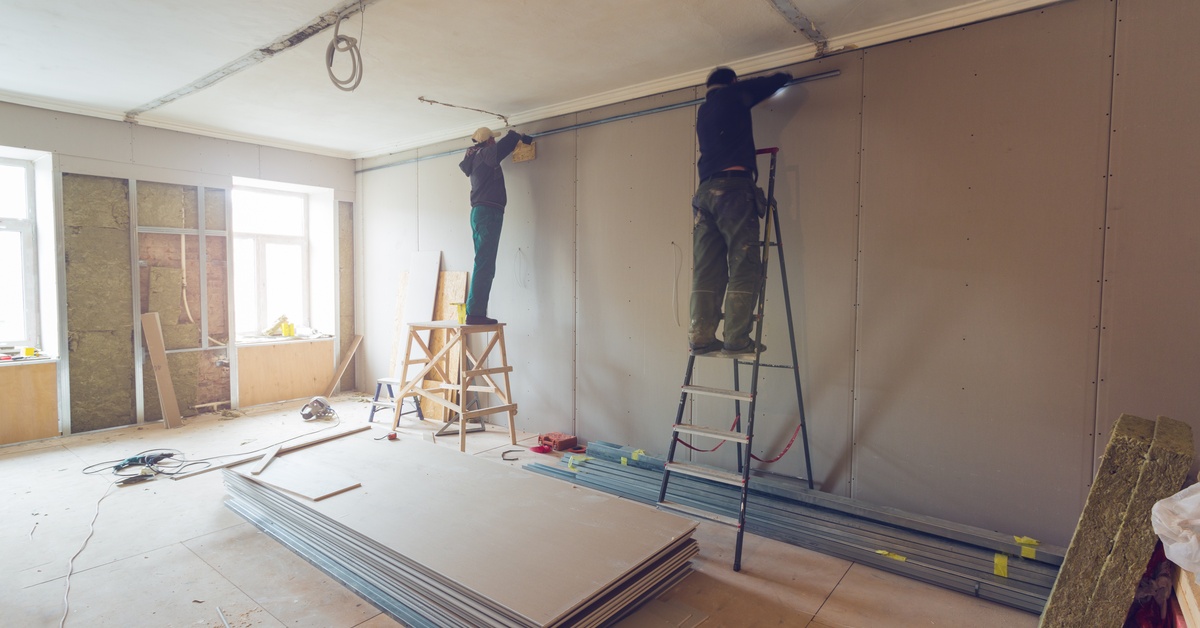
One of the best parts of an older home is its personality. Original millwork, distinctive windows, unique layouts, and custom details can give the property warmth that newer homes may lack. A smart remodeling plan respects those features while improving the way the home functions.
That does not mean keeping everything exactly as it is. It means deciding what to restore, what to rework, and what no longer serves the home. In some cases, preserving original elements can add richness and authenticity to the design. In others, selective change can make the home feel more livable without losing its identity.
Work From a Master Plan, Even If You Remodel in Phases
You do not need to complete every project at once, but you do need an overall plan. A master plan gives structure to the process and helps you avoid piecemeal decisions that create inconsistency or waste.
This plan should outline your biggest concerns, your preferred project sequence, your design goals, and your budget ranges. It should also account for how long you plan to stay in the home and what level of disruption you can realistically handle. With that framework in place, each phase becomes part of a larger strategy.
Planning this way also supports better design continuity. Finishes, materials, room transitions, and architectural details feel more cohesive when you consider them as part of a whole. Even if your timeline stretches over months or years, the home can still move in a clear and unified direction.
Build a Better Remodeling Experience from the Start
Remodeling an older home works best when you take a thoughtful, big-picture approach. By addressing structural concerns first, focusing on the spaces that affect daily life most, and planning projects in the right sequence, you can protect your investment while creating a home that feels more functional, refined, and comfortable for years to come. If you are ready to take the next step, A2Z Builders can help you plan, design, and build a remodeling project that brings new life to your home with the quality, communication, and attention to detail your vision deserves.