

Spanish and Mediterranean design has a lasting appeal because it balances elegance with comfort. These homes feel warm, grounded, and full of character, yet they can still support modern layouts, refined finishes, and the practical needs of Colorado living.
For Denver homeowners, this style creates a natural bridge between Old World detail and contemporary mountain-region design. Below, we’ll outline the key design elements for Spanish and Mediterranean homes in Denver.
Start With the Architecture
Spanish and Mediterranean design begins with form, proportion, and structure. Arched openings, low-pitched roofs, textured walls, and shaded outdoor spaces help create the foundation of the style before any finishes enter the picture. When these elements guide the home from the beginning, the design feels intentional rather than decorative.
For new construction homes in Denver, this approach gives homeowners the chance to integrate the style into the bones of the property. Builders can plan rooflines, window shapes, courtyards, entryways, and exterior materials as part of one cohesive design, which creates a stronger result than adding surface-level details later.
Use Stucco for a Timeless Exterior
Stucco remains one of the most recognizable features of Spanish and Mediterranean homes. Its smooth or lightly textured finish brings softness to the exterior and helps ground the home in the landscape. Warm white, cream, sand, and soft taupe tones work especially well because they reflect sunlight and pair naturally with stone, clay, wood, and iron.
In Denver, stucco also offers flexibility. A crisp, refined finish can create a more modern Mediterranean look, while a hand-applied texture can lean more traditional.
Add Warmth With Clay and Terracotta
Clay tile and terracotta details bring warmth, depth, and authenticity to Spanish-inspired homes. Roof tiles, porch pavers, stair risers, fireplace surrounds, and accent flooring can all introduce that rich, sunbaked color prominent in Mediterranean architecture. These materials work especially well with lighter walls and natural wood.
Homeowners do not need to use terracotta everywhere to make an impact. A tiled entry, a covered patio floor, or a small detail at the stairway can add enough warmth to carry the style. With thoughtful restraint, these accents create a sense of age and craftsmanship without making the home feel heavy.
Incorporate Arches With Purpose
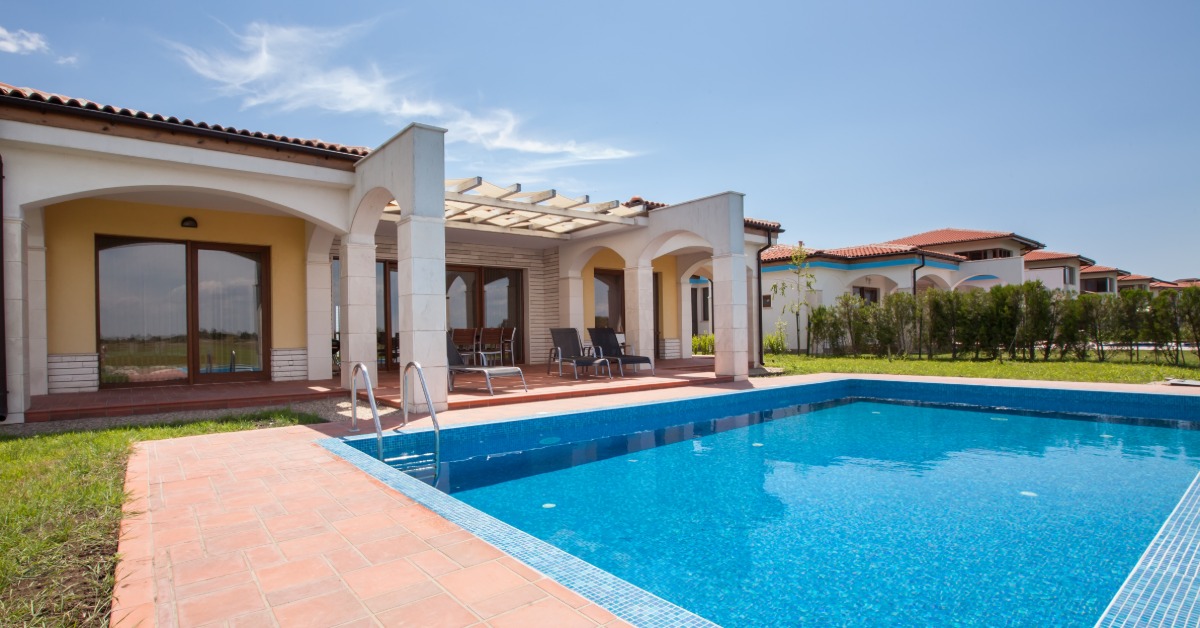
Another key design element of Spanish and Mediterranean architecture to include in your Denver home is arches. Spanish and Mediterranean arches add softness and movement to a home and work beautifully at front entries, interior doorways, hallway transitions, niches, covered patios, and window openings. Arches help break up straight lines and create a graceful rhythm from one space to the next.
The scale of each arch matters. A tall, simple arch can feel elegant and modern, while a smaller, repeated series of arches can create a more traditional courtyard effect. By using arches in key locations instead of every possible opening, the home gains character without feeling overly themed.
Choose Natural Wood for Beams and Doors
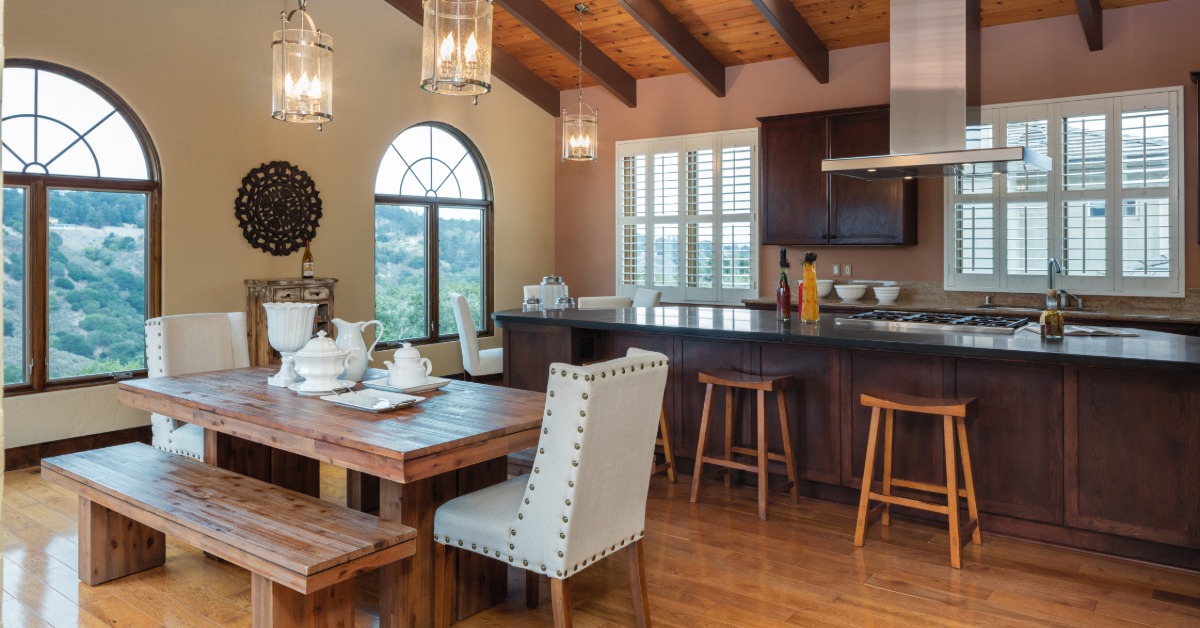
Wood adds richness to Spanish and Mediterranean design, especially when it appears in beams, doors, cabinetry, ceiling details, and built-ins. Darker stains can create a dramatic Old World look, while medium and lighter wood tones feel more current and relaxed.
Exposed ceiling beams make a strong statement in great rooms, kitchens, dining areas, and covered patios. They add depth overhead and help larger spaces feel more intimate. Solid wood doors, especially with arched shapes or iron hardware, can also turn everyday transitions into memorable design moments.
Bring in Handcrafted Tile
Tile gives Spanish and Mediterranean homes their personality. Patterned tile, handmade-look ceramic, zellige-inspired surfaces, and natural stone can all add color, texture, and artistry. Kitchens, bathrooms, laundry rooms, fireplaces, stair risers, and outdoor kitchens provide strong opportunities for tile details.
The most refined homes use tile with balance. A bold backsplash can shine when nearby surfaces stay calm. A patterned powder room floor can stand out when the walls remain simple.
Create Strong Indoor-Outdoor Connections
Mediterranean design celebrates outdoor living, and Denver’s sunny climate makes that idea especially appealing. Covered patios, courtyards, balconies, outdoor fireplaces, and large doors can extend the home beyond its interior walls.
Shade plays an important role. Pergolas, deep overhangs, arcades, and covered terraces help outdoor areas feel comfortable and architectural. When builders plan these spaces early, they can align sightlines, traffic flow, lighting, and materials so the outdoor areas feel like a natural extension of the home.
Design a Courtyard or Private Entry Moment
A courtyard creates one of the most memorable Spanish and Mediterranean design experiences. It offers privacy, frames the entry, and gives the home a sense of arrival. Even a smaller courtyard can feel special with stone paving, textured walls, greenery, a fountain, or a sculptural tree.
Denver homes can adapt this idea in several ways. A front garden wall can create a sheltered entry. A side courtyard can connect a dining room to an outdoor seating area. A rear patio can become a private retreat when you frame it with planting, masonry, and warm lighting.
Layer Iron, Stone, and Plaster Details
Spanish and Mediterranean design relies on materials that feel substantial and lasting. Wrought iron, natural stone, plaster, and masonry all add depth to the home. Iron railings, lanterns, door hardware, and gates bring structure and contrast, while stone fireplaces, columns, and exterior accents create a sense of permanence.
These details should support the home rather than compete with one another. A refined iron stair railing can pair beautifully with smooth plaster walls. A stone fireplace can anchor a great room without needing heavy ornamentation.
Keep the Color Palette Warm and Grounded
Color plays a major role in this style. Spanish and Mediterranean homes usually feel best with warm neutrals, earthy accents, and natural contrast. Cream, ivory, clay, sand, olive, rust, walnut, charcoal, and deep bronze can create a palette that feels elegant without becoming stark.
Denver’s light can make colors appear brighter, so homeowners should test exterior and interior finishes in real conditions. A paint or stucco color that looks soft indoors may look much lighter outside. Sampling materials at different times of day helps prevent surprises and supports a more refined result.
Balance Tradition With Modern Living
A Spanish or Mediterranean-inspired home can still feel open, efficient, and current. Modern floor plans, larger kitchens, spa-like bathrooms, energy-conscious systems, and flexible living spaces can all fit within this design language.
For example, a large kitchen can include clean-lined cabinetry, a generous island, and high-performance appliances while still using plaster details, handmade tile, and warm wood. A primary suite can feel luxurious with modern fixtures and natural stone, then gain character through arched openings, soft lighting, and textured walls.
Build a Home With Warmth, Character, and Lasting Style
Spanish and Mediterranean design elements can bring depth, warmth, and timeless character to your home. Stucco, arches, terracotta, wood beams, handcrafted tile, courtyards, and indoor-outdoor living all work together to create a home that feels elegant, personal, and inviting.
When you make design choices with the architecture in mind and carry through the finishes, the result feels cohesive from the front entry to the final interior detail. If you want to create a custom home with thoughtful design, lasting craftsmanship, and a style that reflects the way you want to live, contact A2Z Builders to start planning your new construction project.