

Pets shape the way a home feels, functions, and flows. They influence where families gather, how spaces stay clean, and what materials can stand up to everyday life. When you create a custom home, you can design around those needs from the beginning instead of adjusting later.
A pet-friendly home should not feel like a compromise. With thoughtful planning, you can create spaces that support your pets while still maintaining a polished, elevated look. Below, we offer some tips for creating a pet-friendly custom home.
1. Start With Your Pet’s Daily Routine
Before selecting finishes or layouts, think about how your pets move through the home each day. Consider where they sleep, eat, play, rest, enter from outside, and spend time while you work or entertain guests. This early planning helps your design team create spaces that feel natural instead of added on later.
2. Choose Durable Flooring that Still Feels Refined
Flooring plays a major role in a pet-friendly custom home. Pets can bring in dirt, shed hair, scratch surfaces, and create the occasional mess, so the material must balance durability with style.
Luxury vinyl plank, engineered hardwood, tile, and sealed concrete can all support an active household. The goal for home and pet owners should be to choose flooring that resists wear, cleans easily, and still fits the overall design vision of the home.
Prioritize Traction and Comfort
Pets need safe footing, especially as they age. Slick floors can make running, turning, and climbing stairs harder for dogs, and some cats may avoid surfaces that feel unstable underfoot. Matte finishes, textured surfaces, and well-placed rugs can improve comfort without sacrificing design.
3. Create a Dedicated Feeding Area
A built-in feeding station can make mealtimes cleaner and easier to organize. Instead of placing bowls in a walkway or corner, your custom home can include a planned space that contains food, water, and supplies. This area might fit into a mudroom, pantry, kitchen island, or utility space.
Add Smart Storage Nearby
Pet supplies can quickly clutter a home when they do not have a proper place. Food bags, treats, leashes, grooming tools, toys, medication, and cleaning products all need accessible storage. Pull-out bins, deep drawers, and closed cabinets can keep essentials within reach while preserving a clean, refined look.
4. Design a Mudroom with Pets in Mind
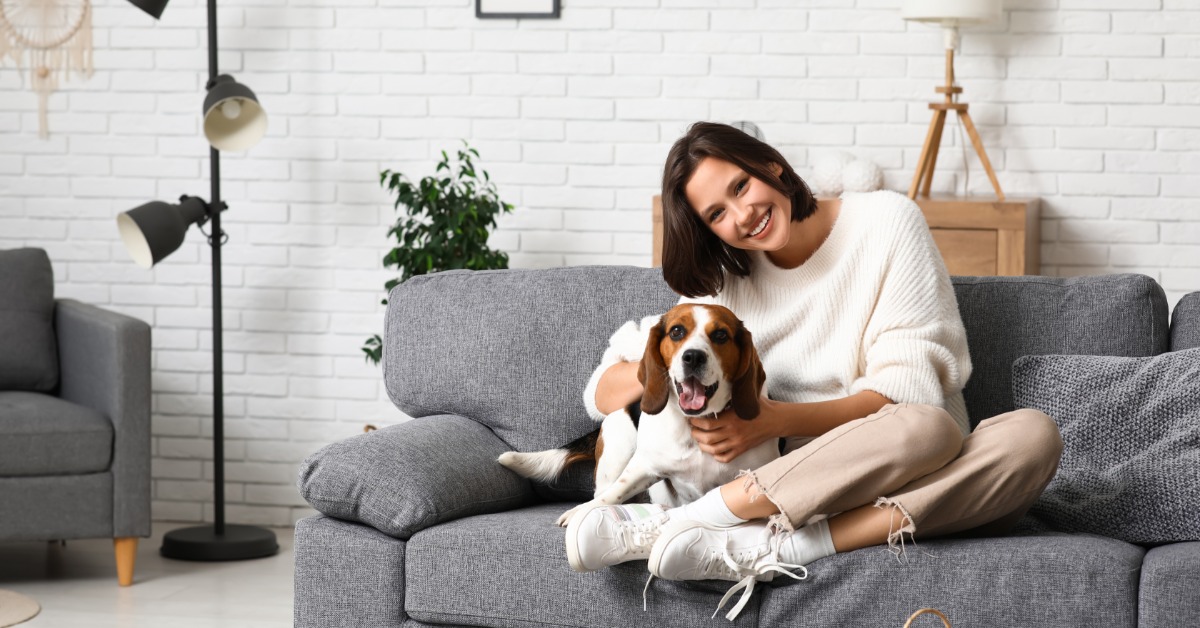
Another pet-friendly tip when creating a custom home is to consider a mudroom with pets as a focal point of the design. A mudroom creates a transition zone between the outdoors and the main living areas, which helps protect floors, furniture, and finishes. For pets, a mudroom can include washable surfaces, towel storage, hooks for leashes, and room for crates or beds.
Consider a Pet Washing Station
A pet washing station adds convenience and helps contain messes. This feature can work especially well for families with dogs that spend time outside or need regular grooming. A raised wash area, handheld sprayer, slip-resistant base, and nearby storage can make bathing easier.
5. Plan Safe Indoor Retreats
Pets need quiet places where they can rest away from noise, guests, and activity. A custom home allows you to create these retreats intentionally instead of placing beds wherever space remains. A built-in nook, cozy alcove, under-stair retreat, or quiet corner near the family can give pets a sense of security.
Make The Space Easy to Clean
Comfort matters, but maintenance matters too. Use washable bedding, durable trim, and surfaces that hold up against fur, dander, and daily use. If the retreat includes cabinetry or built-ins, choose finishes that match the home’s style while standing up to contact.
6. Think Carefully About Stairs and Level Changes
Stairs can create challenges for pets, especially smaller animals, senior dogs, or pets with mobility issues. When you design a custom home, you can address these needs through layout, materials, and safety details. Wider stair treads, secure railings, strong lighting, and slip-resistant finishes can make movement safer.
Include Main-Level Comfort When Possible
A main-level pet zone can make life easier for animals that should avoid too many stairs. This can include a sleeping area, feeding station, or access to the outdoors. Even if your pets are young now, planning for long-term comfort can help your home serve your family for years.
7. Select Pet-Friendly Fabrics and Finishes
Furniture, window treatments, and built-in seating should support both comfort and cleanability. Pet-friendly fabrics can resist stains, reduce visible hair, and hold up to everyday lounging. Performance fabrics, tightly woven textiles, and leather alternatives can work well in refined interiors.
Avoid Fragile Details in High-Traffic Areas
Delicate finishes can struggle in spaces where pets run, jump, or rest. Sharp claws, wagging tails, and daily movement can damage materials that are not for active use.
In high-traffic areas, select durable trim, sturdy cabinet finishes, and surfaces that can handle contact. This helps preserve the polished look of the home without requiring constant touch-ups.
8. Create Easy Outdoor Access
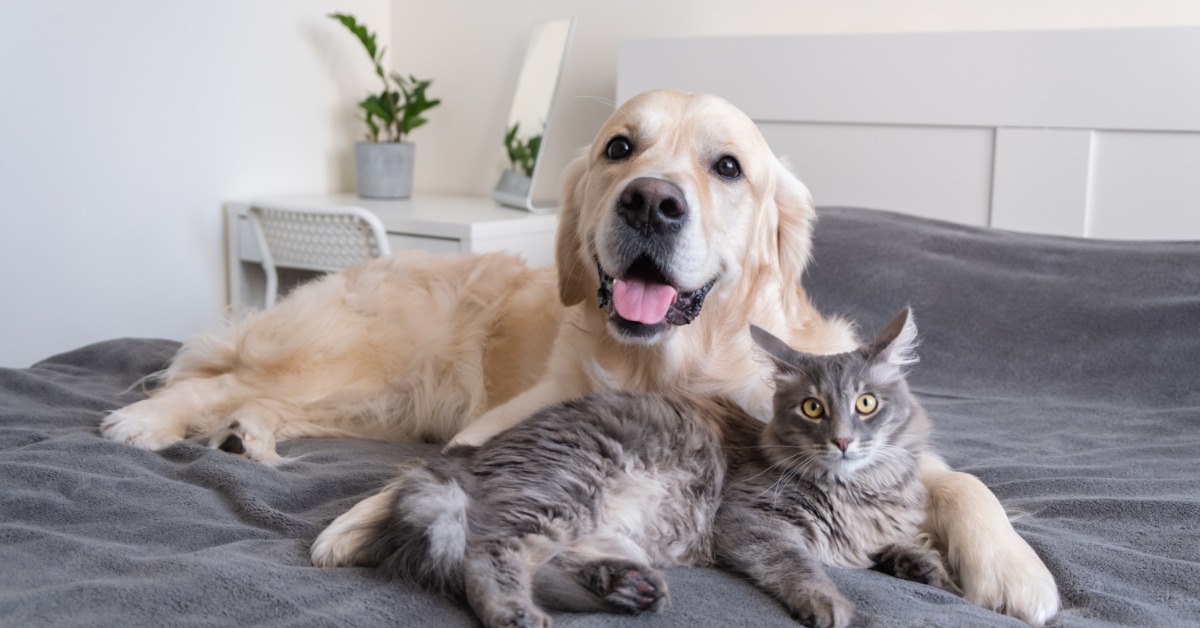
Outdoor access can make a major difference in a pet-friendly custom home. The design should support bathroom breaks, exercise, fresh air, and smooth transitions between inside and outside. This might include a door from the mudroom to a fenced yard, a covered patio, or a secure dog run.
Keep Security at the Center
A beautiful outdoor space still needs to keep pets safe. Gates, fencing, latches, landscaping, and visibility all deserve careful planning. If your home includes outdoor living areas, design them so pets can join the family without creating stress.
9. Pay Attention to Air Quality and Ventilation
Pets add hair, dander, and odors to the home, so air quality deserves attention during the design process. A strong ventilation plan can help the home feel fresh, clean, and comfortable. Work with your builder to discuss HVAC planning, filtration, humidity control, and airflow.
Choose Materials that Support a Cleaner Home
Flooring, paint, cabinetry, and textiles can all influence how easy the home is to maintain. Smooth, washable, and low-maintenance materials can reduce the buildup of dust and pet hair. High-quality materials can support both luxury design and simpler upkeep.
10. Build In Flexibility for Future Needs
Your pets’ needs may change over time, and your household may change as well. A thoughtful custom home can adapt as pets age, new animals join the family, or routines shift. Flexible spaces can serve as pet rooms, storage areas, hobby rooms, or guest spaces depending on the season of life.
Design For the Whole Household
A pet-friendly home should support the people who live there too. The best designs make pet care easier without letting it dominate the home. When storage, cleaning zones, quiet spaces, and durable finishes work together, the home feels more organized and comfortable.
Create A Home that Works Beautifully for Everyone
Designing a pet-friendly custom home starts with understanding how your household really lives. With the right planning, you can create spaces that support your pets, simplify daily routines, and maintain the elevated look you want.
A2Z Builders helps homeowners create thoughtful, high-quality spaces through a complete design and construction process. Whether you’re building a custom home or looking for basement remodeling in Denver, CO, we can help you every step of the way. To start planning a custom home or renovation, contact A2Z Builders today to schedule a consultation.