

Your roof protects every part of your home, from the framing and insulation to the finishes you see every day. When something looks wrong, it can feel difficult to know whether you need to repair one aspect or replace the entire roof.
The right choice depends on the age of the roof, the extent of the damage, the materials, and the condition of the structure beneath the surface. Below, we’ll break down how homeowners can tell if their roof needs repair or full replacement.
Start With the Age of Your Roof
The age of your roof gives you one of the clearest starting points. Different roofing materials last for different lengths of time, but every roof eventually reaches the end of its useful life. Asphalt shingles may last around two decades with proper installation and care, while tile, metal, and slate can last much longer when the structure supports them well.
If your roof is relatively new and the damage affects one small area, a repair may make sense. If the roof has already passed its expected service life, replacement is likely the better long-term solution.
Look for Missing, Cracked, or Curling Shingles
Shingles create the first line of defense against rain, snow, wind, and sun exposure. When a few shingles go missing after a storm, a contractor may be able to replace them without disturbing the rest of the roof.
Widespread cracking, curling edges, bald patches, and loose shingles tell a different story. These signs show that the materials have lost flexibility and protective strength. When shingle damage appears across multiple slopes, replacement may serve the home better than repeated repairs.
Pay Attention to Leaks and Water Stains
Another way to tell if your roof needs repair or full replacement is by leaks and water stains. A leak does not always mean you need a full roof replacement. If the leak comes from one clear source and the roof still has years of service left, a targeted repair can solve the problem.
However, recurring leaks require closer attention. If water stains appear in multiple rooms, if the attic shows widespread dampness, or if repairs never fully stop the problem, the roof system may have broader failure points.

Inspect the Attic for Hidden Problems
The attic can reveal roof problems before they become obvious inside the living space. During daylight hours, look for small beams of light coming through the roof boards. You can also check for damp insulation, dark stains on wood, musty odors, rusted nails, or signs of mold growth.
These issues may point to ventilation trouble, active leaks, or past water intrusion. A single stain near a vent or chimney may support a repair plan. Staining that spreads across large sections of decking may signal more serious damage and may require a full roof replacement.
Watch for Sagging or Uneven Rooflines
A roof should look straight and structurally sound from the outside. Sagging areas, dips, waves, or uneven planes can point to problems beneath the roofing material.
Sagging usually requires immediate professional evaluation. A simple surface repair will not fix structural movement or compromised decking. Depending on the cause, the solution may involve replacing sections of the roof system, reinforcing structural components, or replacing the entire roof.
Check the Flashing Around Roof Penetrations
Flashing protects the areas where the roof meets another surface. You will find it around chimneys, skylights, vents, dormers, walls, and valleys. These transitions need careful installation because water naturally seeks weak points in a roof system.
Damaged or poorly installed flashing can create leaks even when the rest of the roof remains in good condition. In that case, repair may solve the issue. If flashing problems appear alongside aged shingles, soft decking, and recurring leaks, they may form part of a larger case for replacement.
Consider Storm, Wind, and Hail Damage
Colorado homeowners understand how quickly storms can test a roof. Wind can lift shingles, hail can knock away protective granules, and heavy snow can expose weaknesses in older materials.
Small hail marks, bruised shingles, exposed underlayment, and dented flashing can reduce performance over time. If storm damage affects only one area, repair may work. If the damage spans the roof or compromises the material across several slopes, replacement may provide stronger protection.
Evaluate Granule Loss and Surface Wear
Asphalt shingles use granules to protect against sunlight, moisture, and impact. Over time, these granules loosen and wash into gutters or collect near downspouts.
Bare patches, shiny spots, and large piles of granules can mean the shingles have lost much of their protective layer. When this wear appears across the entire roof, repairs may only delay the inevitable. A replacement can restore full coverage and reduce the chance of ongoing water intrusion.
Think About Energy Efficiency and Ventilation
A roof does more than keep water out. It also supports ventilation, insulation performance, and indoor comfort.
If the roofing materials remain in good shape, a contractor may improve ventilation without replacing the entire roof. If heat damage, moisture buildup, and aged materials all appear together, replacement may allow the team to correct the roof system.
Avoid Judging the Roof from the Ground Alone
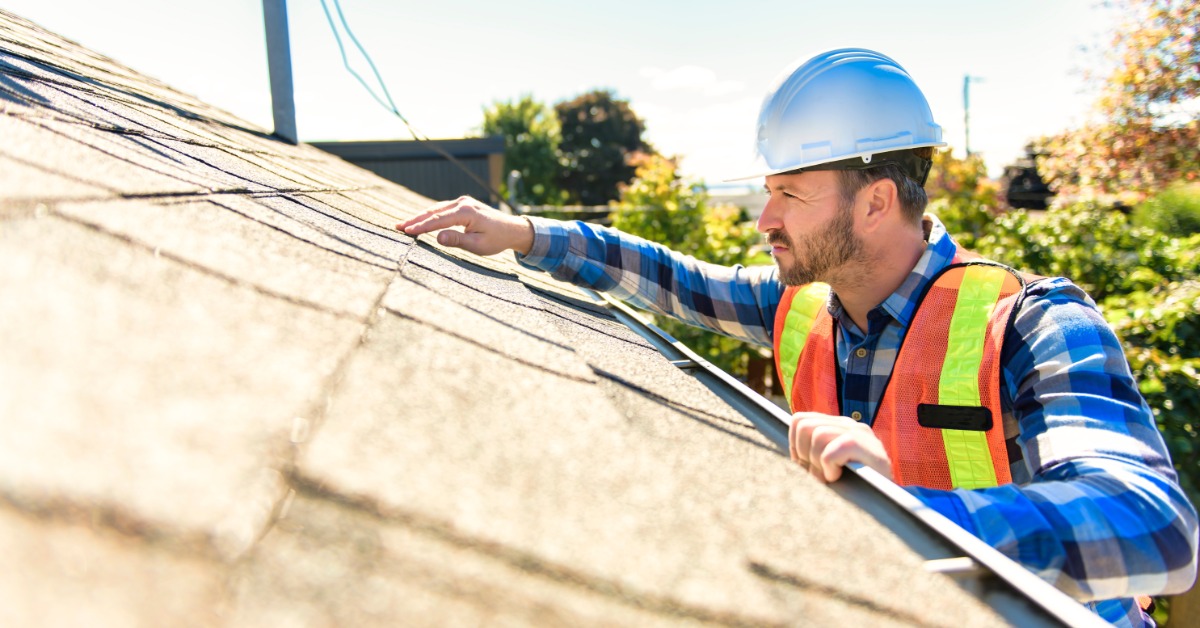
Some roof problems look minor from the sidewalk but become more serious during a close inspection. Other issues may look dramatic yet require only a simple fix. Because roofing systems include shingles, underlayment, flashing, decking, ventilation, and drainage, a surface-level view can only tell part of the story.
A professional inspection gives homeowners a more complete picture. The inspector can document the damage, check vulnerable areas, evaluate material condition, and explain whether repair or replacement makes more sense.
Know When Repair Makes Sense
Repair usually makes sense when the roof remains structurally sound, the materials still have useful life left, and the damage stays limited to one area.
A good repair should solve the problem without creating a patchwork roof that needs constant attention. It should also match the existing materials as closely as possible.
Know When Replacement Makes Sense
Replacement becomes more likely when the roof shows widespread age, numerous leaks, major storm damage, sagging, extensive granule loss, or failing materials across multiple areas. In these cases, repairs may treat symptoms without correcting the full problem.
Replacement can also make sense during larger renovation work. If you plan to remodel, expand, or redesign parts of the home, roof condition can affect the entire project. Addressing the roof at the right time helps protect new finishes, structural updates, and long-term investment.
Choose the Right Solution for Your Home
Roof repair and roof replacement both have a place, but the right choice depends on the full condition of the roof system. Homeowners should look at age, leaks, shingle wear, flashing, storm damage, attic conditions, ventilation, and structural signs before deciding.
As experienced home builders in Denver, Colorado, A2Z Builders can help you evaluate your roof within the larger picture of your home and plan the right next step with care, quality, and clear communication. If you want expert guidance from a team that understands construction, remodeling, and long-term home performance, contact us today!