

Moving into a custom-built home marks the end of one major journey and the beginning of another. After months of planning, designing, selecting finishes, reviewing details, and watching the build take shape, the final move can feel exciting and surprisingly complex. An easy move depends on thoughtful coordination, clear communication, and a strong understanding of what happens before, during, and after move-in. Below, our guide shows you how to make a smooth transition into your custom-built home.
Start Planning Before Construction Wraps Up
A successful move begins well before the final walkthrough. As your home nears completion, you should start organizing the details that will shape your first few weeks in the space. This includes coordinating your move date, scheduling utility transfers, reviewing delivery timelines, and preparing for any final approvals or inspections.
Stay in communication with your builder as the project reaches its final phase. Ask about completion timing, remaining punch list items, and any steps that must happen before occupancy.
Confirm Your Move-In Timeline
Your move-in date should reflect the true readiness of the home, not just your preferred schedule. Custom homes include many layers of work, including inspections, finish installation, cleaning, system testing, and final adjustments. Give yourself room for these steps so you do not feel rushed into a space that still needs attention.
Prepare for the Final Walkthrough
The final walkthrough gives you a chance to review the completed home with your builder and document anything that needs correction. Walk through each room slowly and look at the home from both a design and function standpoint. Check doors, drawers, windows, lighting, appliances, plumbing fixtures, flooring, paint, tile, and trim.
Bring any questions you have about the home’s systems, care requirements, and maintenance schedule. Your builder can explain how to operate key features and what to expect during the first season in the home.
Look Beyond the Finishes
Beautiful finishes draw attention first, but the systems behind the walls matter just as much. During the walkthrough, ask about heating, cooling, ventilation, electrical panels, shutoff valves, irrigation, smart home technology, and any specialty systems in your design.

Organize Important Documents
Your custom home will come with important documents that you should keep in one safe, accessible place. These may include warranties, appliance manuals, finish specifications, paint colors, maintenance recommendations, subcontractor information, permits, inspection documents, and system guides.
Create a digital folder and a physical binder for these documents. Digital copies make it easy to search for model numbers, warranty periods, and maintenance notes, while paper copies help when you need quick access during a service visit.
Track Finish Details
Custom homes include many specific selections, from cabinet hardware and tile grout to stain colors and countertop materials. Keep a record of these details after move-in. If you ever need a repair, addition, or replacement, this information helps preserve consistency throughout the home.
Coordinate Utilities and Services Early
Utility setup deserves early attention because delays can disrupt your first days. Contact utility providers before moving in to arrange electricity, gas, water, trash service, internet, security, and any other services you need. Confirm activation dates and keep account numbers handy during the transition.
New custom homes may also require coordination for mail delivery, address registration, package delivery, and service provider access. Check that your address appears correctly with delivery carriers, mapping apps, and emergency services.
Set Up Internet and Smart Home Features
Internet service plays a major role in modern homes, especially if you have smart thermostats, lighting controls, security cameras, speakers, or automated window treatments. Schedule installation before or near move-in so key systems work when you arrive.
Once service begins, test the connection in different areas of the home. Addressing connectivity early keeps daily routines, remote work, entertainment, and security features running smoothly.
Move In With a Room-By-Room Strategy
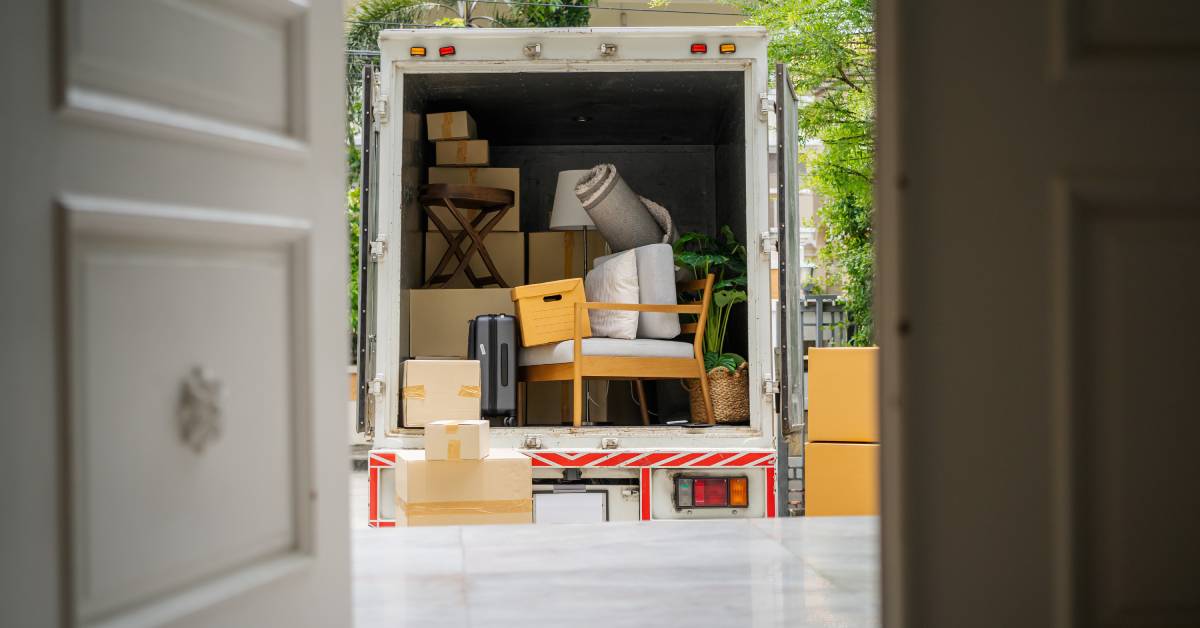
A custom home deserves a thoughtful move-in plan. Instead of rushing furniture and boxes into every room, decide how each space should function before movers arrive. Review furniture layouts, storage needs, traffic flow, and the placement of frequently used items.
Label boxes by room and priority. Place essentials where you will need them first, especially in the kitchen, bedrooms, bathrooms, laundry room, and home office.
Protect New Surfaces During the Move
Fresh flooring, painted walls, custom millwork, and new countertops can take damage during move-in if movers do not protect them properly. Use floor coverings, corner guards, furniture pads, and careful pathways to reduce the risk of scratches, dents, and scuffs.
Plan for large furniture before move-in day. Measure doorways, staircases, hallways, and elevators if necessary.
Give Yourself Time to Learn the Home
Even the best-designed custom home takes time to understand. You may need a few weeks to learn how natural light moves through the rooms, how storage areas function, how the temperature responds throughout the day, and how your daily routines fit into the new layout.
Live in the space before adding extra furniture, reorganizing major rooms, or changing design details. The home may work differently than expected once you experience it through real routines.
Notice Seasonal Performance
A home can feel different from one season to the next, especially in a climate with warm summers, cold winters, and shifting weather patterns. Pay attention to comfort, sunlight, airflow, humidity, and outdoor drainage as the months pass.
Your builder may provide guidance on seasonal maintenance and system care. Follow those recommendations closely during the first year.
Create a First-Year Maintenance Plan
A custom-built home still needs regular care. New materials settle, systems need filter changes, and exterior components need seasonal attention.
A first-year maintenance plan helps you stay ahead of small tasks before they turn into larger concerns. Schedule reminders for HVAC filter changes, gutter cleaning, caulking checks, appliance maintenance, landscaping care, irrigation winterization, and exterior inspections.
Understand the Warranty Process
Your builder should explain what warranty coverage includes, how long coverage lasts, and how to submit service requests. Review this information before move-in or during the final walkthrough. Knowing the process helps you respond calmly if something needs attention.
Settle Into the Neighborhood
Moving into a custom-built home also means adjusting to the surrounding community. Take time to learn nearby routes, grocery stores, schools, parks, restaurants, and service providers. If you built in a new area of Denver or a surrounding community, your daily habits may shift along with your address.
Introduce yourself to neighbors when the timing feels natural. A friendly connection can make the new home feel more familiar and welcoming.
Update Your Personal Information
Once you move, update your address with banks, insurance providers, employers, medical offices, subscriptions, vehicle registration, voter registration, and any professional services you use. Forward your mail and monitor deliveries during the first month.
Conclusion
A smooth transition into your custom-built home starts with preparation, communication, and patience. When you confirm your timeline, complete a detailed walkthrough, organize important documents, protect new finishes, and learn how the home functions, you create a better first experience in the space you worked hard to build.
If you are ready to create a home designed around your lifestyle, connect with A2Z Builders to discuss your vision with experienced custom home builders in Denver. We’ll support you every step of the way—from initial designs to moving in!