

Roof damage can turn an ordinary day into a stressful one. A severe hailstorm, strong winds, falling debris, or another unexpected event can leave homeowners trying to protect their property while determining what their insurance policy may cover.
The decisions you make immediately after discovering damage can affect both your home and the insurance claim process. Understanding common insurance mistakes that homeowners make after roof damage can help you protect your property and make more informed decisions as you move toward repairs.
Waiting Too Long to Address Roof Damage
A damaged roof may not create an obvious leak right away. Missing shingles, damaged flashing, punctures, and other problems can allow moisture to enter gradually, creating additional damage behind walls, ceilings, insulation, and other materials. Contacting your insurance company promptly also gives you a chance to understand the claims process and any requirements for your specific policy.
Assuming Minor Damage Can Wait
A roof may look relatively intact from the ground even after a powerful storm. That makes it tempting to wait until a leak or visible interior problem develops before acting.
Addressing suspected damage early gives professionals an opportunity to determine its extent and identify areas that require attention. Early assessment can also make it easier to distinguish storm-related problems from damage that develops later.
Failing to Document the Damage
Clear documentation can become an important part of the insurance process. Homeowners sometimes begin cleaning up or arranging repairs without first creating a record of what happened. When conditions are safe, photograph visible roof damage, damaged gutters, siding, windows, interior water intrusion, and other affected parts of the property.
Forgetting to Document Temporary Repairs
You may need temporary work to keep rain or additional debris from entering the home. A tarp, covered opening, or another protective measure can reduce the chance that the original problem becomes more extensive.
Document the affected area before temporary work begins whenever circumstances allow. Keep photographs, invoices, receipts, and other records related to the work so you have a clear timeline of what happened and what you did to protect the property.
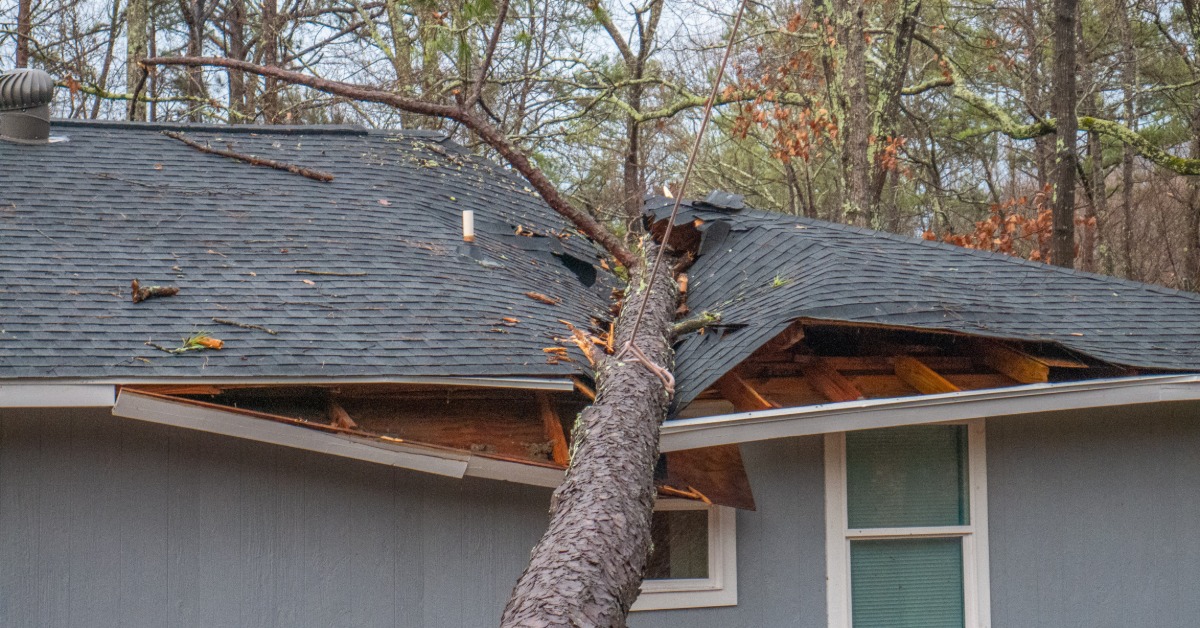
Starting Permanent Repairs Before Understanding the Claim
Another common insurance mistake homeowners make after roof damage is immediately making permanent repairs. When part of your home needs immediate attention, moving straight into permanent reconstruction can feel like the fastest solution. However, homeowners should understand their insurance company’s inspection and documentation requirements before making substantial permanent changes whenever conditions allow.
Insurance coverage depends on the individual policy, the cause of damage, deductibles, exclusions, and other terms. Review your policy, communicate with your insurer, and ask what documentation or inspections the carrier requires before committing to extensive work.
Coordinate the Repair Process Carefully
Roof damage may affect much more than roofing materials. Water intrusion can damage drywall, insulation, ceilings, flooring, electrical components, trim, paint, and other parts of the house. When repairs extend into several areas, experienced home remodeling contractors can help homeowners understand the construction work necessary to restore parts of the property.
Assuming Insurance Will Pay for Everything
One of the biggest mistakes homeowners can make is treating insurance coverage as automatic. A damaged roof does not necessarily mean a policy will cover every repair or provide full replacement.
Coverage can vary based on the policy and circumstances surrounding the damage. Deductibles, exclusions, roof age, covered causes of loss, and methods of calculating the value of damaged materials can influence a claim, so homeowners should rely on their actual policy and insurer rather than assumptions.
Review the Estimate in Detail
After an adjuster evaluates the property, review the documentation you receive. Look at the areas the assessment includes, the damage it describes, the scope of work it proposes, and any information related to deductibles or payments. Ask questions when something does not make sense.
Discarding Damaged Materials Too Soon
Cleanup may seem like the logical first step after storm damage, particularly if roofing materials, drywall, insulation, or other debris create a mess. Removing everything immediately, however, can eliminate useful evidence.
When possible, document damaged materials before removing them and follow your insurer’s instructions about preserving evidence. Safety still comes first, so homeowners should never leave hazardous materials in place simply for documentation purposes.
Keep Your Claim Records Together
Roof damage can generate a surprising amount of paperwork. Photos, emails, estimates, invoices, policy documents, claim numbers, adjuster reports, and contractor communications can accumulate quickly.
Keep these records together from the beginning. An organized file gives you a clearer history of the project and makes it easier to reference previous conversations when communicating with the insurer, adjuster, or construction team.
Choosing a Contractor Too Quickly
Severe storms can generate a rush of repair activity throughout an affected area. In that environment, homeowners may feel pressure to choose the first available contractor or sign an agreement before they fully understand the work.
Take time to evaluate the contractor’s qualifications, experience, communication process, and proposed scope. A reliable construction professional should explain the work clearly, answer reasonable questions, and help you understand the construction process without making promises about insurance coverage that only your carrier can determine.
Look Beyond the Roof
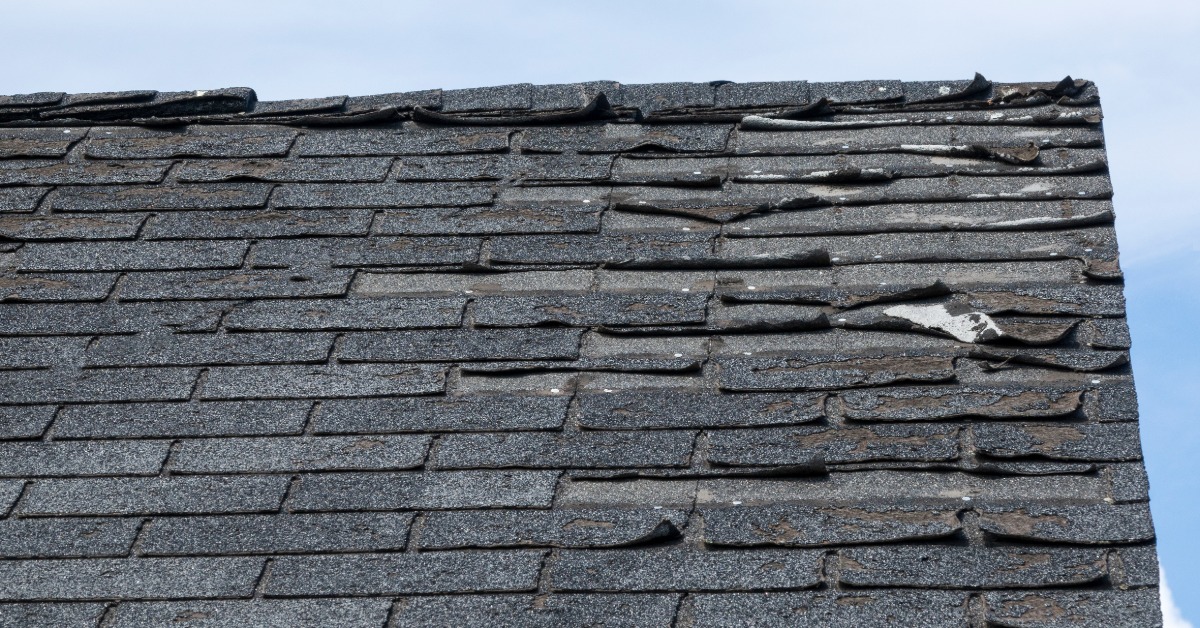
The visible roof problem may represent only one part of the project. Moisture can reach ceilings and walls, while hail and wind can affect gutters, siding, windows, exterior finishes, and other building components. A broader inspection of the home can help identify other construction needs.
Ignoring Temporary Protection
Waiting for an insurance inspection does not mean homeowners should allow preventable damage to continue. If a damaged section of the roof exposes the house to rain, safely protecting that area can help limit additional problems.
Homeowners should take reasonable temporary measures, such as covering roof openings or damaged windows, to protect property from further damage. They should also prioritize safety and use professionals when the work requires climbing onto a damaged roof or entering an unstable area.
Do Not Create a Second Problem
Improvised repairs can cause additional damage when someone uses the wrong materials or works in unsafe conditions. Walking across a compromised roof can also create personal safety risks and potentially worsen existing damage. Focus on securing the property without attempting repairs beyond your experience.
Losing Track of Communication
Insurance claims can involve conversations with agents, adjusters, contractors, inspectors, and other professionals. Relying entirely on memory can quickly lead to misinterpretations and false assumptions.
Keep notes about important conversations, save emails and documents, and record important dates for inspections, estimates, and repair decisions. Clear records create continuity throughout a process that may involve several different people.
Protect Your Home With a Careful Repair Process
Roof damage requires more than replacing shingles and moving forward. Documenting the damage, reviewing your insurance requirements, preventing additional problems, keeping thorough records, and carefully planning repairs can make an unexpected situation much easier to manage.
A2Z Builders brings more than 16 years of experience to remodeling and construction projects throughout Denver and the surrounding communities. If roof damage has led to broader renovation needs in your home, contact A2Z Builders to discuss your property, explore the work involved, and plan a thoughtful path toward restoring your space.