

An exterior remodel can change how your home looks, feels, and functions before anyone steps through the front door. It can refresh curb appeal, improve comfort, strengthen protection against the elements, and create a more cohesive connection between indoor and outdoor living spaces.
For many homeowners, the exterior deserves the same thoughtful planning as a kitchen, bathroom, or full interior transformation. A successful project starts with a clear understanding of your home’s condition, your design preferences, and the improvements that will make the strongest impact. Below, we offer you a complete guide for an exterior remodel.
Start With the Big Picture
Before choosing colors, materials, or finishes, take time to evaluate your home as a complete structure. Look at the roofline, siding, windows, doors, porch, entryway, exterior lighting, walkways, landscaping, and outdoor living areas together rather than as separate features.
This approach helps you avoid a piecemeal result. When every exterior element supports the same design direction, your home feels more polished, balanced, and intentional.
Consider How Your Home Looks and Lives
An exterior remodel should improve more than curb appeal. It should also support how you use your property every day, from welcoming guests at the entry to enjoying a patio, deck, or covered outdoor space.
Think about where your home feels dated, where it lacks function, and where it no longer reflects your style. These answers help shape a remodel that improves both beauty and daily comfort.
Plan the Scope of Your Exterior Remodel
Exterior remodeling can range from a focused refresh to a major transformation. Some homes need new siding, updated trim, modern windows, and a redesigned entry, while others need structural changes, expanded outdoor areas, or a more complete design-build approach.
If your exterior project connects to larger interior changes, it may become part of a whole house renovation. In that case, your contractor should consider how exterior updates support the full property, including layout changes, additions, energy performance, and long-term resale value.
Separate Needs from Nice-To-Haves
Every remodel includes practical needs and design preferences. Needs may include damaged siding, aging roofing, poor drainage, drafty windows, unsafe stairs, or worn exterior doors.
Nice-to-haves may include a larger front porch, custom stonework, upgraded lighting, a more dramatic entry, or a new outdoor entertaining area. Defining these priorities early helps you make confident decisions as the project moves forward.
Refresh Siding, Trim, and Exterior Materials
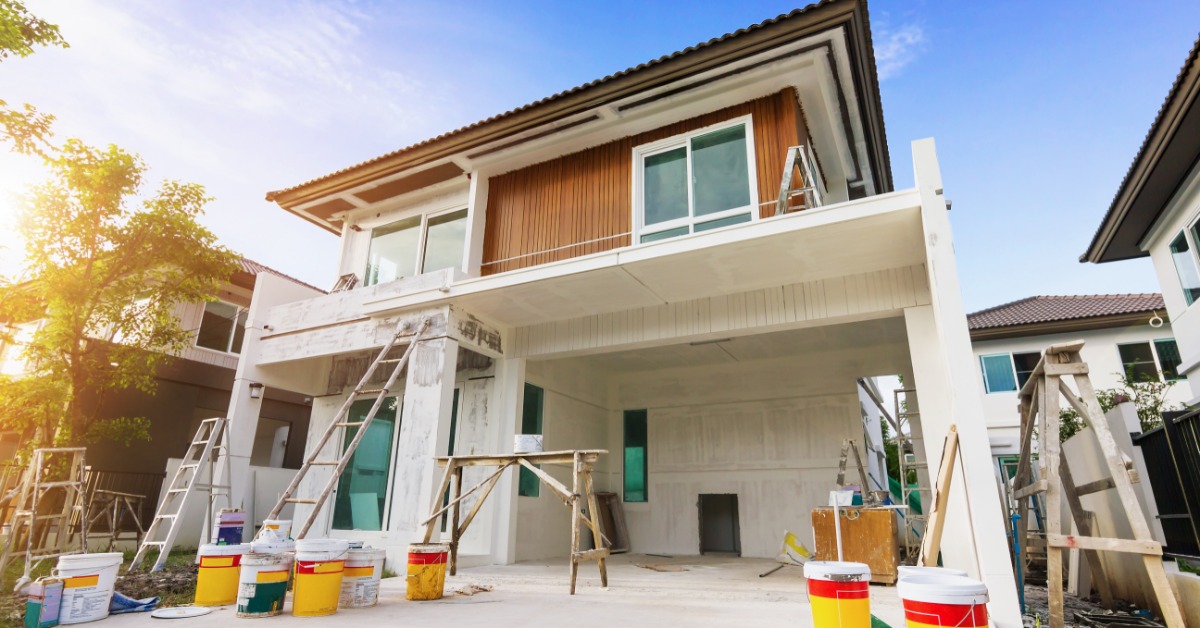
Siding covers a large portion of your home, so it has a major effect on the final look. Updated siding can make an older home feel cleaner, sharper, and more refined, especially when you pair it with well-designed trim.
Material selection matters because each option creates a different appearance, maintenance level, and performance profile. Your remodeling team can help you compare products that fit your design vision, climate needs, and budget.
Upgrade Windows and Exterior Doors
Windows and doors influence style, comfort, natural light, and energy performance. If your current windows feel drafty, difficult to operate, or visually dated, replacement can make a noticeable difference inside and outside the home.
Exterior doors also deserve careful attention. A new front door, patio door, or set of glass doors can improve flow, security, and the overall impression of the home.
Evaluate The Roof, Gutters, and Drainage
A beautiful exterior still needs strong protection. Roofing, gutters, downspouts, flashing, and drainage systems all help protect the home from water damage and long-term wear.
During an exterior remodel, your contractor should review these systems before installing cosmetic updates. This prevents new finishes from hiding problems that you should address first.
Protect the Investment Beneath the Surface
Water can damage siding, framing, foundations, and interior finishes when exterior systems fail. Proper drainage, sound flashing, and well-installed gutters help preserve the work you invest in.
A remodel should never focus only on what people can see from the street. The best results come from combining attractive design with strong construction details.
Expand Outdoor Living Space
Outdoor living has become a major part of exterior remodeling. Patios, decks, pergolas, covered porches, outdoor kitchens, fire features, and seating areas can extend the way your family uses the home.
The best outdoor spaces connect to the interior layout. Doors, traffic flow, shade, privacy, and lighting all shape whether the space feels natural and comfortable.
Create a Smooth Indoor-Outdoor Connection
A great outdoor living area should feel easy to access and pleasant to use. Large doors, thoughtful paving, covered transitions, and consistent materials can make the backyard feel like an extension of the home.
This connection works especially well when the interior and exterior designs share a similar style. Repeated colors, textures, and architectural details can create a seamless result.
Improve Lighting, Walkways, and Curb Appeal
Exterior lighting improves safety, visibility, and atmosphere. Entry lights, path lights, step lights, garage lights, and landscape lighting can highlight architectural features while making the property easier to navigate.
Walkways and hardscaping also shape the first impression. A cracked path, cramped approach, or poorly lit entrance can make even a well-maintained home feel unfinished.
Choose Materials With Longevity In Mind
Exterior materials must handle sun, wind, snow, rain, and seasonal temperature changes. In Colorado, durability matters because homes face a wide range of weather conditions throughout the year.
Choose finishes that suit your maintenance level and long-term plans for the property. A trusted remodeling team can explain which materials fit your home’s architecture and which options may require more upkeep over time.
Balance Style, Performance, and Maintenance
The right material should look beautiful and perform well. A finish that looks appealing on day one should also hold up as the years pass.
This balance applies to siding, roofing, decking, railing, stone, paint, windows, doors, and hardware. A polished remodel depends on smart product choices as much as strong design.
Work With a Design-Build Team
An exterior remodel can involve designers, builders, tradespeople, permits, materials, structural details, and scheduling. A design-build approach helps bring those moving parts under one coordinated process.
With one team guiding planning, design, and construction, the project can move with greater clarity. This also helps reduce communication gaps between the design vision and the finished build.
Look for Clear Communication
Strong communication matters from the first consultation through the final walkthrough. Homeowners should understand the project scope, timeline, budget considerations, design direction, and construction process before major work begins.
A reliable contractor should also help you understand what to expect during each phase. Exterior remodeling can affect access, parking, outdoor areas, and daily routines, so clear updates help the project feel more manageable.
Bring New Life To Your Home’s Exterior
Now that you’ve read our complete guide to an exterior remodel, you’re ready to get to work! By evaluating the full property, choosing durable materials, improving key features, and working with an experienced team, you can create an exterior that feels beautiful, cohesive, and built to last.
If you are ready to reimagine your home’s exterior, A2Z Builders can help you plan, design, and build a refined remodel that supports your vision. Contact A2Z Builders today to start a conversation about your exterior remodeling project.