

Older homes bring character that new construction can struggle to replicate. Original woodwork, distinctive layouts, and architectural details can make a property feel personal immediately. Yet those appealing features may conceal obsolete systems or construction methods that complicate a renovation. When renovating an older home, there are many things to first consider.
A thoughtful renovation respects the property’s history without sacrificing comfort. Careful planning preserves meaningful details while supporting modern living.
Start With a Thorough Home Assessment
A solid-looking house can conceal problems. Assess conditions before committing your improvement budget.
Examine the Structure and Foundation
Look for significant cracks, uneven floors, sticking doors, or signs of water intrusion. These symptoms do not automatically indicate major structural failure, but they deserve professional attention. A qualified structural engineer can investigate concerning conditions and recommend repairs before remodeling begins.
Pay particular attention to previous alterations. An earlier owner may have removed walls, enclosed a porch, or changed the roofline without properly accounting for structural loads. Verify structural supports before construction.
Inspect the Systems Behind the Walls
Older plumbing, electrical wiring, and heating equipment may not meet your household’s present needs. Have licensed professionals evaluate their condition, capacity, and safety before deciding what to replace. Adding appliances or expanding living space can increase demands on systems that already operate near their limits.
Ask about your home’s drainage and ventilation as well. A renovation that only upgrades visible surfaces may leave moisture problems intact, creating future damage beneath beautiful new finishes.
Establish a Realistic Renovation Budget
Once you understand the home’s condition, separate essential repairs from aesthetic improvements. Structural corrections, water management, and electrical safety should generally take priority over decorative upgrades. That approach protects your investment and gives your design decisions a more reliable foundation.
Build Room for Unexpected Discoveries
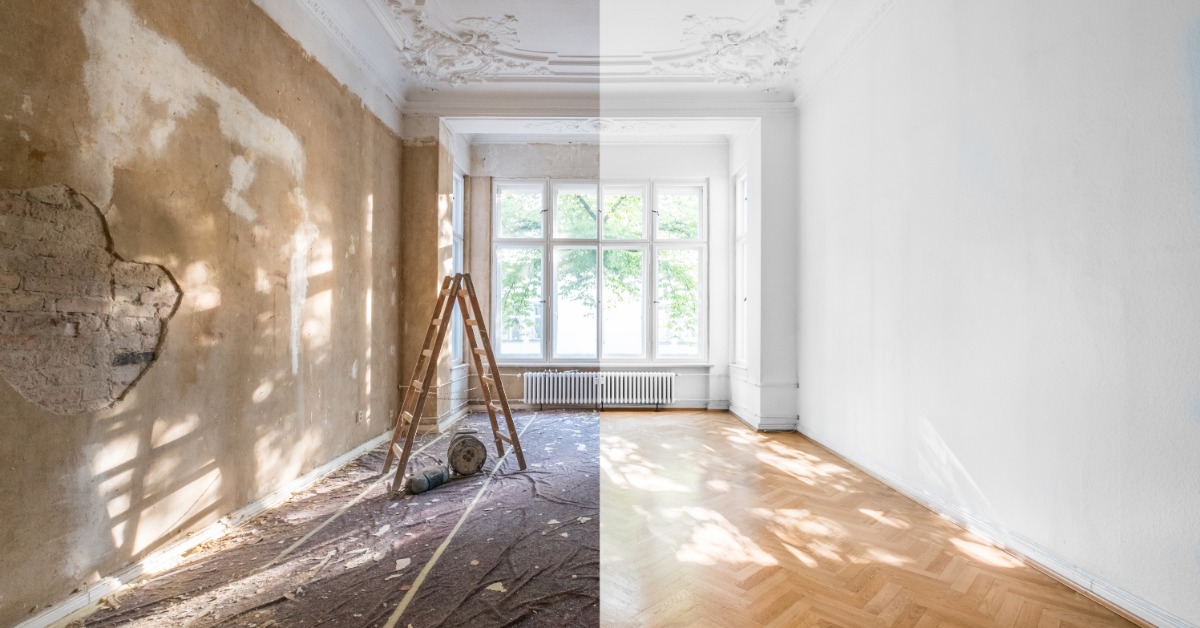
One thing you must consider when renovating an older home is that, when you take down a wall or rip up some flooring, you may find something you won’t like. Demolition can expose damaged framing, outdated connections, or repairs that previous owners concealed. Set aside a contingency rather than assigning every dollar to planned purchases.
Request a precise proposal that identifies what the price includes. Discuss allowances for fixtures and materials, how change orders work, and what might cause the schedule to shift. Clear communication early makes later decisions easier.
Decide Where to Invest
Prioritize improvements that affect daily comfort and function. A better kitchen layout might matter more than premium hardware, while insulation upgrades could improve rooms that currently feel drafty. Think about how long you expect to stay in the property and which investments will serve you throughout that time.
A2Z Builders helps homeowners connect renovation decisions with practical design considerations. Bringing construction and interior design perspectives together can make it easier to balance appearance, usability, and budget.
Preserve Character While Updating Function
Not every old feature needs replacement. Original trim, hardwood flooring, and built-in storage can give your renovated home a sense of continuity. Identify the elements worth keeping before demolition, then design new work around them where practical.
Make Modern Spaces Feel Connected
A contemporary kitchen can work beautifully in a traditional house when the transition feels intentional. Consider cabinet proportions, doorway details, and materials already present elsewhere in the home. You do not need to replicate every historical feature, but abrupt contrasts can make adjacent rooms feel inconsistent.
Bathrooms deserve the same attention. If you are researching options for bathroom remodeling in Denver, start by considering how the existing footprint, plumbing locations, and ventilation affect what you can accomplish. A thoughtful layout may deliver more value than squeezing every fashionable feature into a compact room.
Know When to Replace Rather Than Restore
Some features carry sentimental or architectural value but cannot perform safely or efficiently. Windows that allow persistent water intrusion, deteriorated flooring, and compromised fixtures may require more than cosmetic repairs. Evaluate restoration costs against durability and maintenance needs before choosing a direction.
When replacement makes sense, look for designs that complement the home’s scale. The strongest renovation does not have to erase its age to feel fresh.
Plan for Permits, Codes, and Hidden Hazards
Older homes can contain materials or conditions that demand special handling. Depending on the building’s age, renovations may disturb lead-based paint or asbestos-containing materials. Arrange appropriate inspections or testing before disturbing suspect surfaces, and use qualified professionals for any required work.
Understand Local Requirements
Permit requirements vary with the location and scope of the project. Moving walls, altering electrical systems, or relocating plumbing may require approvals and inspections. Ask your contractor which permits apply and who will coordinate the process.
Historic designation can introduce additional restrictions, particularly for exterior changes. Check applicable rules before ordering windows, changing a facade, or removing architectural details. Researching these requirements early reduces the risk of redesigning plans later.
Address Energy Efficiency Strategically
Older homes may have little insulation, air leaks, or inefficient mechanical systems. Air sealing and carefully planned insulation can improve comfort, but the right approach depends on how the building manages moisture. Avoid sealing assemblies without understanding ventilation and drainage.
Ask whether opening walls creates an opportunity to upgrade ductwork, wiring, or insulation. Coordinating these improvements can reduce the need to disturb finished spaces later.
Choose a Renovation Team That Communicates Clearly
Renovating an older property requires flexibility. Even thorough inspections cannot reveal every concealed condition, so your contractor’s response to discoveries matters as much as the original plan. Look for a team that explains options clearly and documents decisions as work progresses.
Discuss the Process Before Work Begins
Ask how the team handles scheduling, material selections, and unexpected repairs. Find out who will provide updates and how you can approve adjustments that affect cost or timing. A clear decision-making process helps prevent misunderstandings when construction becomes complex.
A2Z Builders is a family-owned Colorado contractor that brings design and construction services together. Its approach emphasizes communication and careful coordination, which can be especially valuable when a renovation involves several spaces.
Consider Life During Construction
Determine whether you can remain in the home while work proceeds. A single-room project may be manageable with temporary arrangements, but extensive plumbing or electrical updates can interrupt essential services. Discuss dust control, safe access, and working hours before demolition begins.
Build flexibility into your personal calendar, too. Materials can arrive late, inspections can affect sequencing, and concealed damage may change the work. Understanding these possibilities will help you make informed decisions rather than rushed compromises.
Give Your Older Home a Thoughtful Next Chapter
An older home’s greatest strengths deserve attention, and its weaknesses deserve a practical plan. Assess the structure, understand hidden systems, protect meaningful details, and make room for discoveries before committing to finishes. The result can be a home that retains its character while meeting the needs of everyday life.
If you are considering an older-home renovation in the Denver area, connect with A2Z Builders. Our team can discuss your priorities, explore design possibilities, and help you plan a renovation that respects your home’s past while preparing it for the future. Contact A2Z Builders to request a consultation and discuss your next project steps.