
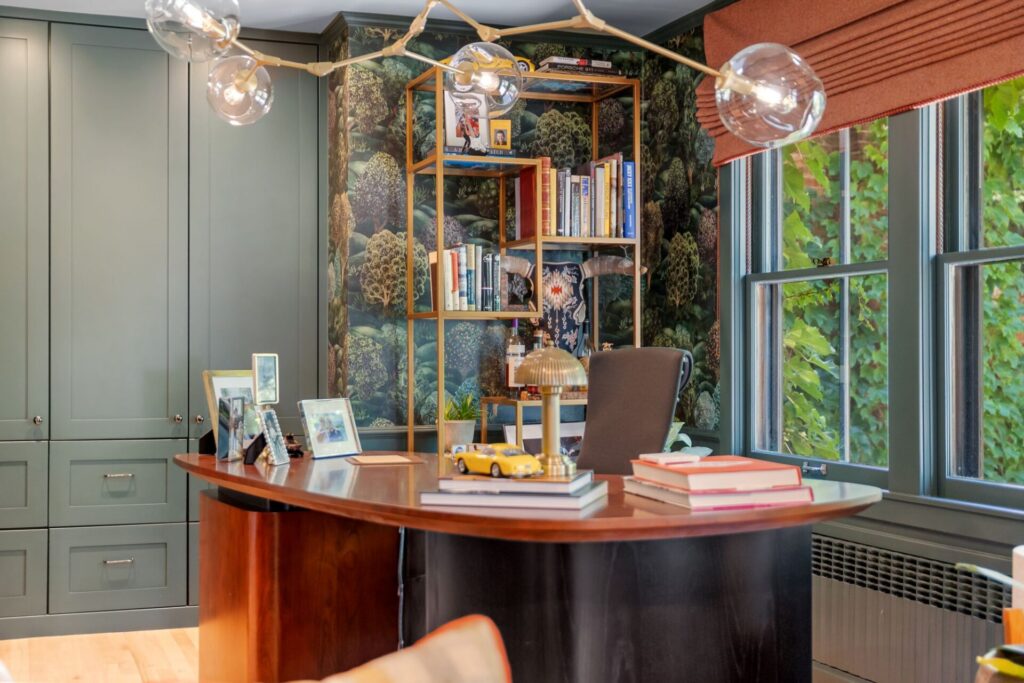
Have you ever walked into a room and felt an immediate sense of calm or, conversely, a wave of anxiety? The design of a space profoundly impacts our emotions. Your home is more than just a place to live; it’s a sanctuary that should support your well-being.
In this blog, we’ll explore how interior design can influence your mood. We will uncover how specific design choices can shape your emotional state, helping you create a home that looks beautiful and feels genuinely good to be in. Let’s explore how you can harness the power of design to enhance your daily life.
The Psychology of Color
Color is one of the most powerful tools in an interior designer’s kit, capable of dramatically altering a room’s feel. Different hues evoke specific psychological responses, and understanding these can help you craft the perfect mood for each space in your home.
Red: Energy and Excitement
Red is a bold and dynamic color that stimulates energy and excitement. It can raise a room’s energy level, making it an excellent choice for social spaces like dining rooms or living areas where you want to encourage conversation and connection.
However, its intensity means designers should use it meaningfully and be careful not to overuse it where spaces feel overwhelming or aggressive. Consider using it as an accent color on a feature wall or through decorative items to add a vibrant pop without dominating the space.
Blue: Calmness and Serenity
Blue evokes feelings of serenity and peace, making it ideal for bedrooms, bathrooms, and other areas where you want to create a relaxing retreat. Lighter shades of blue can give a room an open and airy quality, while deeper blues can create a sense of sophistication and intimacy. Pairing blue with neutral tones like white or beige can increase its tranquil effect, fostering an environment perfect for unwinding after a long day.
Yellow: Optimism and Happiness
Yellow is the color of sunshine, and it brings a sense of optimism and happiness into a space. It is an uplifting color that can make a room feel bright and cheerful. Yellow is perfect for kitchens, breakfast nooks, and hallways, as it creates a welcoming, energetic atmosphere. A soft, buttery yellow can be soothing, while a more vibrant shade can add a playful and creative spark.
Green: Balance and Harmony
Green connects us to nature and promotes feelings of balance, harmony, and renewal. It is a versatile color that works well in almost any room. Lighter greens can create a fresh and tranquil vibe, while darker, richer shades can add a touch of elegance and drama.
Lighting and Its Influence on Mood
Another way that interior design can influence your mood is through illumination choices. Lighting can be the difference between a room that feels warm, inviting, and functional to one that feels drab, distracting, and unwelcoming.
Natural Light: Boosts Mood and Productivity
Exposure to daylight helps regulate our circadian rhythms, which can improve sleep, increase productivity, and boost our overall sense of well-being. To maximize natural light, keep windows clear with light, airy curtains. You can also use mirrors to reflect light around the room, making the space feel brighter and more expansive. Designing a layout that allows sunlight to flow freely through your home can have a transformative effect on your daily mood.
Warm Light: Creates a Cozy Atmosphere
Not all artificial lighting is the same. Warm-toned lighting, with a yellowish or amber glow, for example, creates a cozy, relaxing atmosphere. This type of light is ideal for living rooms, bedrooms, and dining areas where you want to encourage relaxation and intimacy.
Cool Light: Enhances Focus and Concentration
One way to mimic natural daylight is with cool-toned lighting, which has a bluish-white hue and helps with focus and concentration. This makes it an excellent choice for task-oriented spaces like home offices, kitchens, and bathrooms. When you need to be alert and productive, cool lighting can help you stay sharp and energized.
The Role of Space and Layout
The arrangement of a room and how you move through it has a subconscious effect on your emotional state. A well-designed layout can promote feelings of freedom and comfort, while a poorly planned one can cause stress and frustration.
Open Spaces: Freedom and Connection
Open-concept layouts promote a sense of freedom and social connection. By removing walls and creating a seamless flow between areas like the kitchen, dining room, and living room, you encourage interaction and togetherness. These expansive spaces can feel liberating and are perfect for families or those who love to entertain. However, tearing down walls is not a simple fix, so you’ll want to enlist the help of professional home remodeling contractors to guarantee the structural integrity of the work when you’re done.
Cluttered Spaces: Stress and Anxiety
Nobody wants clutter in their home. A disorganized, messy space can overwhelm and exhaust you in your own living space. Organizing and tidying your home helps create a calm, peaceful environment. Invest in innovative storage solutions to keep items out of sight and make a habit of decluttering regularly.
Defined Spaces: Structure and Security
While open layouts are popular, there is also value in having clearly defined, separate rooms. These spaces can provide a sense of structure, security, and privacy. A dedicated home office can help you focus on work, while a cozy reading nook offers a quiet escape. Creating distinct zones for different activities helps to establish boundaries and can organize your home and enhance its functionality.
The Importance of Personalization
Your home should reflect who you are. Incorporating personal items and decor that hold meaning for you will improve your emotional well-being and make a space truly feel like your own.
Meaningful Objects: Evoke Positive Emotions
Surrounding yourself with objects that evoke positive memories and emotions is an excellent mood booster. Displaying family photos, travel souvenirs, or artwork that you love can create a space that feels personal and comforting. These items tell your story and fill your home with warmth and history.
Comfortable Furniture: Promotes Relaxation
Comfort is key to creating a relaxing home environment. Choose furniture that looks good and feels better. A plush sofa you can sink into, a supportive mattress for a good night’s sleep, and ergonomic chairs for your workspace all contribute to your physical and emotional comfort.
Plants: Bring Nature Indoors
Bringing plants into your home is a simple yet effective way to reduce stress and improve your mood. Houseplants connect us to nature, purify the air, and add a touch of life and color to any room.
Design a Home That Nurtures You With A2Z Builders
Your home is the backdrop to your life, and its design plays a pivotal role in your emotional well-being. By thoughtfully considering color, lighting, layout, and personalization, you can create a space that reflects your style and actively supports a happier, healthier state of mind.
If you’re ready to transform your Denver house into a dream home that perfectly aligns with your lifestyle and boosts your mood, the team at A2Z Builders is here to help. With our passion for creating beautiful, functional spaces, we can turn your vision into a reality. Contact us today to start your home remodeling journey and create a space you’ll love for years to come.