

Embarking on a home renovation is a thrilling journey, and the anticipation of transforming your living space to perfectly suit your lifestyle is incredibly exciting! While living on-site during construction can feel overwhelming, staying in your own home is entirely possible and can help you save money with the right strategy. Keep reading to discover our tips for homeowners who are living at home during a remodel.
Preparing Your Home and Family for the Remodel
The work begins long before the first demolition crew arrives. A successful renovation experience relies heavily on the preparation you do in advance.
Planning and Communication Are Key
Your relationship with your general contractor acts as the foundation of the entire project. Before construction starts, sit down with your project manager to discuss the timeline and daily schedule. You need to know when the water may be shut off, which days will be the loudest, and the hours the crew will be on-site.
Planning helps you anticipate disruptions rather than react in a panic. Ask specific questions about the workflow. We encourage you to ask about every detail, from dumpster placement to material delivery zones. This clarity reduces anxiety and keeps everyone on the same page.
Setting Up a Temporary Living Space
Designating a construction-free zone is your most important task when remodeling major areas such as a kitchen or master suite. You need a sanctuary where you can retreat from the chaos. If we are remodeling your kitchen, set up a temporary kitchenette in the dining room or a spare bedroom.
Move your refrigerator to an accessible spot, or invest in a mini-fridge. Set up a table with your microwave, coffee maker, and toaster oven. Stock this area with paper plates and compostable cutlery to minimize dishwashing. If you are adding a second story or remodeling bedrooms, consolidate your sleeping arrangements into the unaffected rooms.
Protecting Your Belongings
Dust has a magical way of finding its way into the most unexpected places. Before work begins, pack away your valuables and fragile items. Remove art from the walls in adjacent rooms, as vibrations from hammering can cause frames to shift or fall.
Cover furniture in nearby rooms with plastic sheeting or heavy drop cloths. While your contractor will set up containment barriers, adding your own layer of protection provides peace of mind. Box up books, knick-knacks, and electronics that you won’t need immediately and store them in a garage, basement, or a rented storage unit. Clearing the clutter protects your possessions and makes it easier for the crew to work efficiently.
Managing the Remodel Process Daily
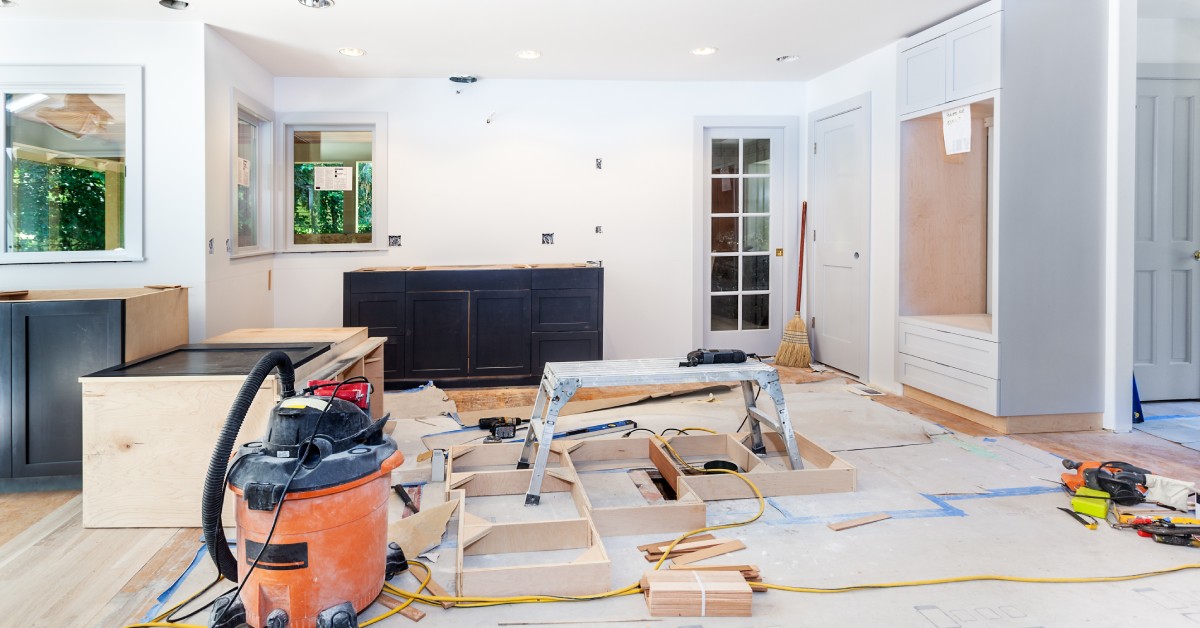
Once the project is underway, your daily life will look a little different. Establishing new routines and prioritizing safety will help you maintain a sense of normalcy amidst the transformation.
Establishing a Consistent Routine
A useful tip for homeowners living at home during a remodel is to establish a regular routine around the work. Construction crews typically start early, which might require you to adjust your morning schedule. Establish a routine that aligns with construction hours. If you know the crew arrives at 7:30 AM, plan to have your coffee and shower before then to avoid the morning rush.
Consistency provides comfort, especially for children and pets. Try to keep mealtimes and bedtimes consistent, even if the meal is on the living room floor. Since crews typically do not work on weekends, use this time to reclaim your home. Plan outings to the park, visit museums, or enjoy the quiet parts of your house.
Staying Safe and Healthy
Safety remains the top priority for both your family and the construction team. Construction zones present inherent hazards, from exposed nails to uneven flooring. Clearly define the “no-go” zones for children and pets. Use safety gates or lock doors to prevent little ones from wandering into the work area.
Air quality is another crucial consideration. While reputable contractors use air scrubbers and zip walls to contain dust, some particles inevitably escape. Change your HVAC filters regularly during the remodel to maintain clean air. If the weather permits, open windows in the non-construction areas to circulate fresh air.
Strategies for Minimizing Stress
Renovations are exciting, but also stressful for many homeowners, especially those living in the home during the work. Proactive stress management can make a significant difference in your mental health. Accept that things will go wrong or there will be delays; it is the nature of construction. When you encounter a surprise plumbing issue or a backordered fixture, take a deep breath and focus on the solution rather than the problem.
Find ways to pamper yourself during the process. Treat the family to a nice dinner out once a week to escape the makeshift kitchen. Book a spa day or a weekend getaway to give yourself a break from the noise. Keep reminders of why you started this journey around, like a design inspiration picture on the fridge, to help you push through the messy middle.
Coexisting with Contractors
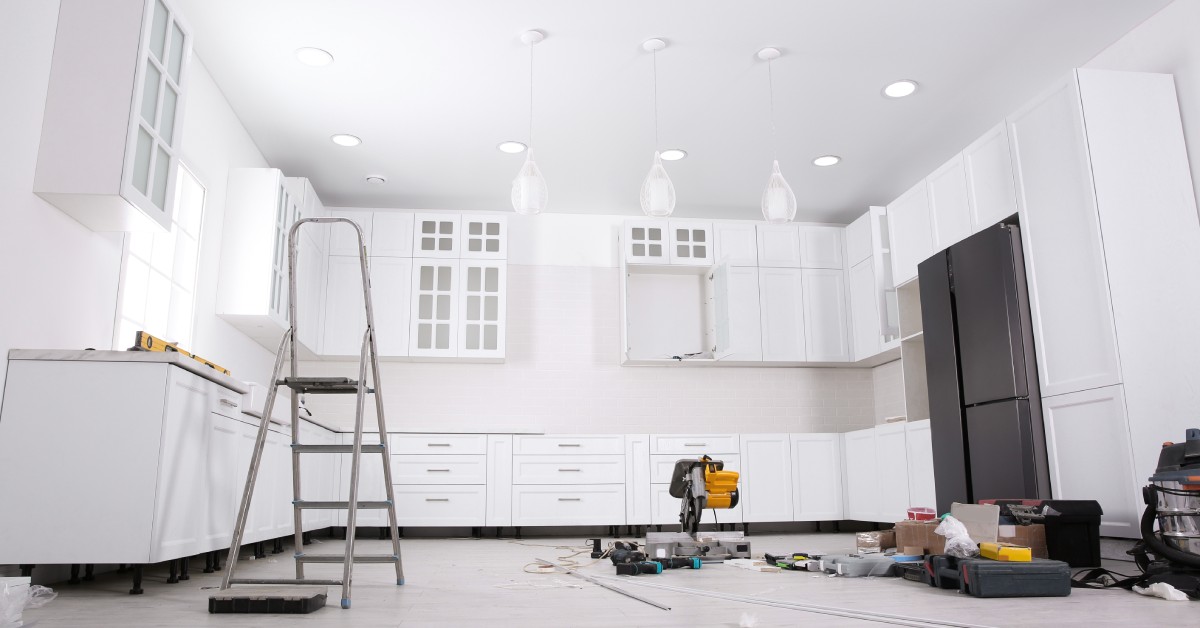
Your home becomes a shared workspace during a remodel. As remodeling and home addition contractors in Denver, we understand the importance of cultivating a positive relationship with the crew working on your house to create a better environment for everyone.
Respecting Boundaries
The construction crew wants to do a great job and finish on time, just as much as you do. Providing them with the space to work efficiently helps move the project forward. While it is natural to be curious about the progress, try to avoid hovering over their shoulders while they work.
Designate a restroom for crew use, if possible, or rent a portable unit if the project is extensive. This keeps your private bathrooms private and reduces foot traffic through your living areas. Clarify parking arrangements as well, so the crew knows where to park their vehicles without blocking your driveway or upsetting the neighbors.
Addressing Concerns Promptly
Open communication solves problems before they become major issues. If you notice something that doesn’t look right, or if a specific process confuses you, speak up immediately. However, the timing of these conversations matters. Instead of interrupting a worker in the middle of a complex task, save your non-urgent questions for a daily check-in with your project manager.
Maintaining a Positive Relationship
A little kindness goes a long way. Offering cold water on a hot day or a box of donuts on a Friday morning fosters a spirit of camaraderie and appreciation. When the crew feels respected and valued, they take even greater pride in their work.
Remember that you and your contractor are partners in this project. You share the same goal of creating a beautiful, safe, and functional home. Viewing the relationship as a collaboration rather than a transaction changes the entire dynamic. Building a rapport with the team makes the months of construction feel much less intrusive.
Transforming Your Vision into Reality
While a remodel can be a challenge, the reward is a beautiful home that enhances your life for years to come. By preparing your space and maintaining open communication, you can navigate the construction phase with total confidence and grace. If you’re ready to expand your home and start building your dream today, contact A2Z Builders to schedule your consultation!