

Choosing a countertop material can shape the entire feel of your kitchen. It affects how the space looks, how much maintenance you take on, and how confidently you can use the room every day. Two of the most popular stone countertop materials for kitchens are quartz and granite.
If you are comparing quartz and granite for your new kitchen or a kitchen remodel, the right answer depends less on trends and more on how you cook, clean, entertain, and want your kitchen to function over time. Both materials bring real value to a remodel, but they perform differently in key areas. Keep reading for a thorough breakdown of quartz and granite countertops to find out which is right for you!
Start With How You Want Your Kitchen to Work
Before you compare color samples, think about daily life in your kitchen. A beautiful countertop should support the way you live, not just photograph well. That means considering how much meal prep happens in the space, how careful your household is with spills and hot pans, and whether you want a polished, uniform look or something with more natural movement.
Many homeowners start their search by comparing materials to understand how each surface fits into the bigger design plan. A countertop does not stand alone; it must work with your cabinetry, backsplash, lighting, layout, and the way you move through the room. Quartz and granite can both anchor a high-end kitchen. The difference is that each one solves a different set of priorities.
What Makes Quartz Different?
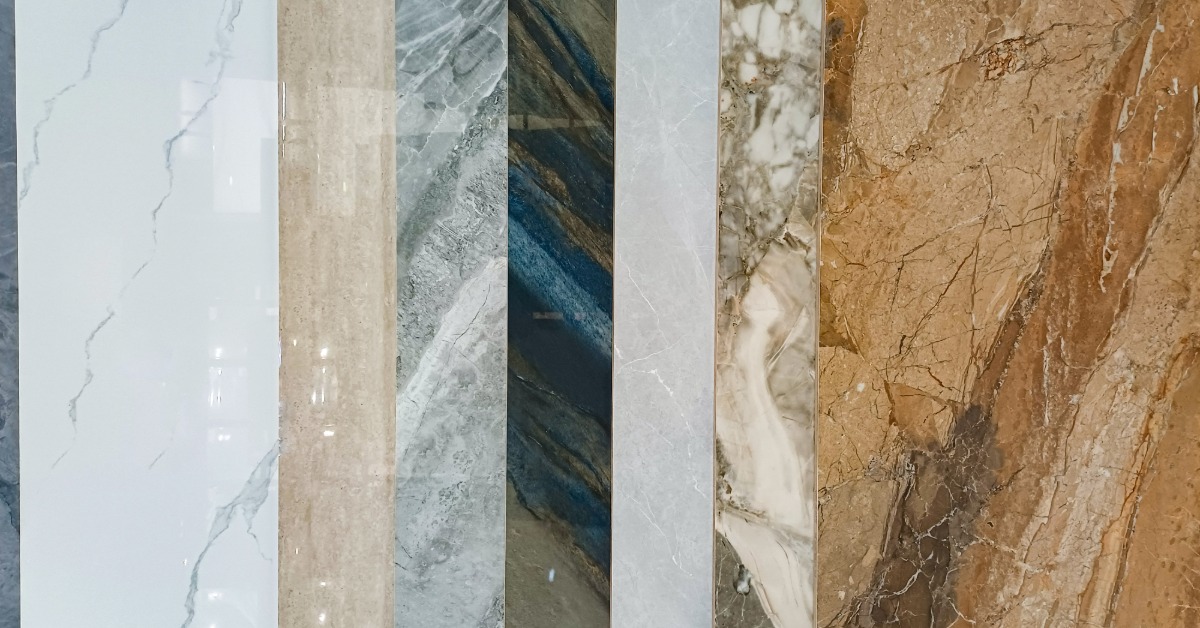
Quartz is an engineered stone made from natural quartz, resins, and pigments. That construction gives quartz a nonporous surface, which helps resist stains and eliminates the need for sealing. It also has a reputation for being easy to care for and offering strong day-to-day durability.
For many homeowners, that low-maintenance appeal is the biggest advantage. If you want a countertop that wipes clean easily and gives you a more predictable appearance from slab to slab, quartz stands out right away. It also works well in kitchens where you want a clean, refined, tailored design.
Why Homeowners Like Quartz
Quartz fits busy households because it simplifies upkeep. You do not need to remember a sealing schedule, and you do not have to think as much about everyday messes. That can matter if your kitchen serves as a cooking space, homework station, gathering spot, and entertaining area all at once.
Quartz also gives you more consistency in design. If you want soft veining, a bright white finish, or a modern look with less visual variation, quartz makes it easier to plan around cabinet colors, wall paint, and fixtures. That consistency is especially helpful in larger kitchens with long runs of countertop or big islands where a balanced look matters.
The Limitations of Quartz
Quartz is durable, but it is not the best choice for direct heat. Because it includes resins, manufacturers and suppliers caution against placing hot skillets or roasting pans directly on the surface.
That does not make quartz fragile. It simply means you need to match the material to your habits. If someone in your home regularly moves pans from the stove or oven straight onto the counter, quartz may require more discipline than you want to maintain.
What Makes Granite Different?
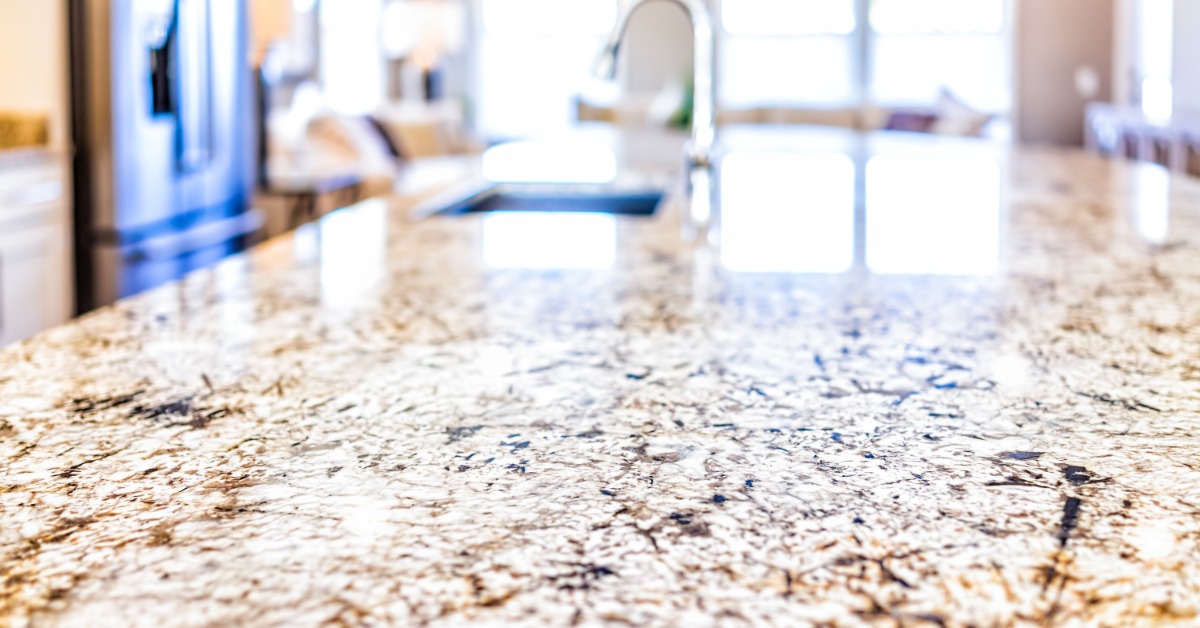
Granite is a natural stone cut from quarried slabs, so every piece has a unique color, veining, and mineral movement. That one-of-a-kind character is one of its biggest selling points. If you want your kitchen to feel custom and organic, granite can bring depth and variation that engineered materials cannot fully replicate.
Granite also performs well around heat. In a kitchen where serious cooking happens, that can be a meaningful advantage. Homeowners who love the authenticity of natural materials and do not mind a little more maintenance continue to choose granite for exactly those reasons.
Why Homeowners Like Granite
Granite has presence. It can make a kitchen feel grounded, substantial, and distinctive. No two slabs look exactly alike, so your countertop will feel more personal. In homes with warm wood cabinetry, classic detailing, or a design style that leans timeless, granite can feel especially at home.
Granite also appeals to people who want the feel of a natural product instead of a manufactured one. This natural preference offers texture, character, and a sense that your kitchen includes natural materials rather than manufactured ones.
The Limitations of Granite
Granite typically requires periodic sealing to protect against moisture and staining. Care guidance from stone and surface sources consistently treats sealing as part of long-term granite maintenance.
That extra step is not a dealbreaker for everyone, but it is a real difference. If you want a countertop that asks very little from you after installation, granite may feel like more responsibility. It can still be manageable, but it is not as hands-off as quartz.
Comparing Quartz and Granite in Real-Life Categories
When homeowners feel stuck between these two materials, it helps to compare them in practical terms instead of abstract pros and cons. If maintenance ranks first on your list, quartz has the edge. Its nonporous surface and no-seal routine make daily care straightforward. Homeowners who prioritize natural beauty usually pick granite because every slab carries unique movement and color variation.
For those who require heat resistance, granite is the stronger performer. Quartz can handle normal kitchen use, but direct contact with very hot cookware can damage the resins in the surface. For design consistency matters most, quartz gives homeowners more control.
Which Countertop Fits Your Style?
Now that we’ve gone over quartz and granite countertops, which is right for you? Style should never be the only factor, but it does matter. A countertop occupies a large visual area in the kitchen, so it influences whether the room feels sleek, warm, dramatic, classic, or understated.
Quartz for Clean, Refined Design
Quartz works beautifully in kitchens with crisp lines and a polished finish. It pairs well with painted cabinets, waterfall islands, integrated backsplashes, and contemporary hardware. It also supports transitional kitchens where you want timeless appeal without strong visual busyness. Those who want more control over their countertop’s look like quartz because it becomes part of a composed design rather than the only focal point.
Granite for Natural Character and Movement
Granite works well when you want the countertop to bring texture and variation into the room. It can soften a kitchen that might otherwise feel too uniform. It also complements traditional, rustic, and elevated classic interiors where natural materials help the space feel layered and lived in. Granite countertops can become a statement piece in your kitchen or play a supporting role in the design.
The Right Countertop Is the One That Matches Your Life
Quartz and granite are both strong options for a beautiful kitchen remodel. The right one depends on your individual preference and your kitchen’s needs. If you’re renovating your kitchen, look for kitchen remodeling companies with a design team that can walk you through the pros and cons of each decision, like A2Z builders! Let us help you create the kitchen of your dreams today.